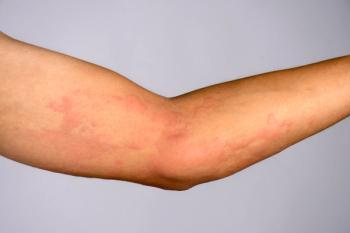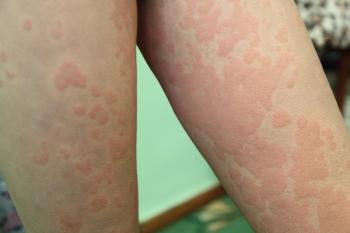
Dietary modification may improve disease activity and quality of life in some patients with chronic idiopathic urticaria.
World Urticaria Day raises awareness about chronic spontaneous and inducible urticaria, highlighting treatment advancements and patient challenges.
Today is World Urticaria Day (UDAY), an initiative led by the Asthma and Allergy Foundation of America (AAFA), We CU, and The Mast Cell Disease Society (TMS) to raise awareness of diseases like chronic spontaneous urticaria and chronic inducible urticaria. The theme of this year’s World Urticaria Day is “Unmet Needs – The Path Forward for Urticaria.”
“Roughly 1 in 5 people will experience hives at some point in their lives, and over 3 million people in the U.S. will experience chronic hives,” said Kenneth Mendez, president and CEO of AAFA. “Urticaria Day provides an opportunity to promote understanding of the condition and its impact. The raised bumps (welts or wheals) of hives often cause persistent itching. This can impact sleep and other activities. People with chronic hives may find relief from one of several available treatment options. AAFA wants people with urticaria to be aware of treatment options, and for those options to be accessible and affordable.”1
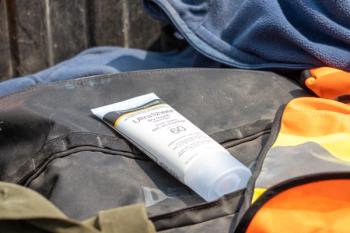
Chronic spontaneous urticaria is a condition in which hives occur for no known reason, while chronic inducible urticaria is typically triggered by physical factors such as cold, heat, pressure, friction, vibrations, exercising, sweating, and UV sunlight. Many patients living with urticaria also suffer from asthma, allergies, mast cell disease, or other immune-related diseases. This awareness day aims to highlight the unmet needs of patients, as urticaria significantly impairs quality of life, affecting sleep, work productivity, and mental health. Diagnosis may be delayed for up to 2 years, and more than half of patients remain symptomatic despite high-dose antihistamines.
“We hear from people every day about how urticaria disrupts their lives – everything from being able to work or go to school to taking showers and baths,” said Kristen Willard, executive director of We CU and a chronic spontaneous urticaria patient in remission. “Our collaboration on UDay is about giving voice to those challenges and working toward a future where urticaria is better understood, better researched, and better treated.”1
As awareness of urticaria continues to grow, our treatment landscape is also evolving.
The indication is supported by the phase 3 REMIX-1 (
“We know that for many patients, urticaria is part of a bigger picture of immune system dysfunction,” said Jessica Fraser, executive director of TMS. “Recognizing UDAY as a community helps ensure that no one is left behind, and that together we can advocate for expanded research, clinical awareness, and comprehensive care.”1
“Through education, advocacy, research, and awareness activities, AAFA, We CU, and TMS are committed to advancing the conversation on urticaria and improving the lives of those affected,” the press release says.1 UDAY 2025 is also supported by the Urticaria Network E.V. (UNEV), the UCARE network, Global Allergy & Airways Patient Platform, and many organizations worldwide.
For the latest news on chronic spontaneous urticaria and chronic inducible urticaria,
References
1. Urticaria Day: Raising Awareness of Symptoms and Treatment. News release. Asthma and Allergy Foundation of America. Published October 1, 2025. Accessed October 1, 2025.
2. Novartis receives FDA approval for Rhapsido (remibrutinib), the only oral, targeted BTKi treatment for chronic spontaneous urticaria (CSU). News release. Novartis. Published September 30, 2025. Accessed October 1, 2025.