A retrospective claims analysis of 2897 matched pairs found hazard ratios of 0.48 to 0.67 for new atopic disease with dupilumab vs systemic corticosteroids in children.

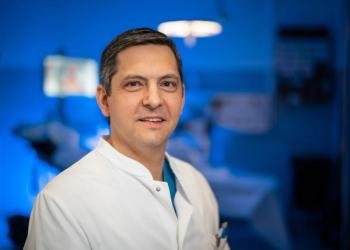
Brian Kim, MD, FAAD, explores the transformative role of neuroimmunology in dermatology, urging a shift towards systems-level therapeutic strategies.
Kim urged dermatologists to rethink their clinical and scientific frameworks. While dermatology has benefited enormously from advances in reductionist biology—especially in the era of genomics and targeted biologics—he believes the next frontier lies in understanding higher-order biological systems. He described this shift as moving from “reductionist biology” to “meta-biology,” focusing on networks and systems-level motifs rather than isolated molecular targets.
The promise of this approach, he argues, lies in its therapeutic potential. Rather than aggressively suppressing disease through broad immunosuppression or highly targeted blockade of individual pathways, future strategies may aim to modulate these systems more subtly. By supporting the body’s intrinsic ability to self-regulate and heal, therapies could become more refined, minimally invasive, and durable. This systems-level thinking, rooted in neuroimmune interaction, offers a path toward more sophisticated and sustainable treatments.
Kim highlighted the optimism that emerged from the symposium. With new tools, technologies, and a better understanding of the complex crosstalk between neurons and immune cells, dermatologists are poised to lead in this new era of integrated medicine. The neuroimmune field, though still nascent, holds potential to reshape not only dermatology but medicine as a whole, according to Kim.
“That's what this symposium is about...how we can improve therapies for patients in a very elegant and sophisticated way using new biology and new technology, and I think this is highly promising for the field of dermatology and for our patients,” he concluded.