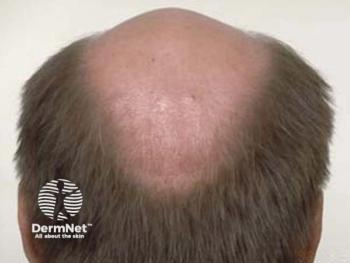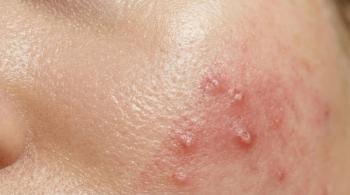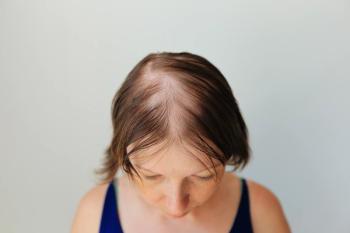
From emerging therapies to earlier intervention and psychosocial support, Dermatology Times looks back at key alopecia areata developments in 2026.
Discover how medium-to-deep chemical peels effectively treat refractory melasma, enhancing skin tone and quality with tailored approaches.
A retrospective case series of diverse patients confirmed that medium-to-deep chemical peelings for refractory melasma are safe and effective.1 Investigators combined objective image analysis with subjective expert assessments to determine the efficacy of phenol-croton and trichloroacetic acid peels.
Background
Melasma affects 15 to 35% of adult women, especially in regions with high ultraviolet exposure.2 Chemical peels with phenol-croton, glycolic acid, salicylic acid, and trichloroacetic acid are commonly used as second-treatments for the condition. Medium-to-deep chemical peels work through a dual mechanism that targets both the epidermis and dermis. The peels work by removing pigmented keratinocytes while simultaneously promoting profound tissue remodeling.3
“When these peels are customized to the patient's skin type and paired with appropriate post-care, they offer transformative outcomes, addressing pigmentation and skin quality,” the authors wrote.
Methods & Materials
Female patients (n = 35) of diverse skin types between the ages of 36 and 74 were treated between March 2023 and December 2024 with segmented chemical peeling. This strategy was chosen to “enhance safety and provide better control during healing,” according to the authors. In these patients, 42 regions with melasma were treated, including areas on the forehead, cheeks, upper lip, and perioral region.
Peels were completed using 1 of 2 formulations: 30% phenol with 0.8% croton oil or a 2-step protocol of 30% glycolic acid followed by 35% trichloroacetic acid with 0.7% croton oil. A protective chemical mask consisting of 1% lidocaine, 100,000 IU/g nystatin, and a plastic barrier layer was applied immediately after the peel. Topical collagenase ointment, chloramphenicol, and petroleum jelly were applied during healing to hydrate the skin and support the regenerative process.
Weighted skin intensity (WSI) was measured through the Fiji ImageJ software. Melasma severity was measured using the Modified Melasma Area and Severity Index (MASI). The mean MASI score at baseline was 3.90 and most cases were classified as mild (76.2%). A team of 20 experts also conducted subjective evaluations based on pigmentation reduction, visible borders of patches, skin tone uniformity, and appearance. The follow-up period lasted an average of 256 days.
Results
Pigmentation improved greatly in nearly all of the treated regions. Mean WSI values increased from 78.99 to 88.33 (p < 0.001), indicating a shift toward lighter skin tones. Approximately 38 of the 42 treatments showed positive changes in skin tone. Heat maps further demonstrated these changes, with the treated areas showing more uniform reductions in pigmentation.
Furthermore, skin tone uniformity improved by 69.4% and overall appearance by 79.4%. About 87.5% of responses were rated as Grade 4 or 5 for the reduction in melasma pigmentation. In fact, 50% were rated as Grade 5. Regarding the visible borders of patches, 80.6% were rated as Grade 4 or 5. Overall skin appearance, including texture and luminosity, improved greatly. Skin regeneration and skin quality were also enhanced.
Over 84% of the global evaluators were satisfied with the effectiveness of the therapy. When comparing clinical photographs before and after treatment, the experts were correctly able to identify the post-procedure images in 94.4% of cases. The most common adverse events were hyperpigmentation and erythema. Wound healing occurred between 8- and 12-days post-treatment. One patient experienced an allergic reaction during this healing period.
Conclusion
These findings are consistent with previously published research on medium-to-deep chemical peels for melasma, especially those done with phenol-croton oil and trichloroacetic acid. This new data confirms that these procedures are safe and effective for melasma management, especially when tailored specifically to each unique patient.
References
1. Scardua MT, Scardua N, Fernanda Ismail M, et al. The Use of Medium-Deep Peelings to Treat Melasma: A Case Series Study. J Cosmet Dermatol. 2025;24(8):e70291. doi:10.1111/jocd.70291
2. Artzi O, Horovitz T, Bar-Ilan E, et al. The pathogenesis of melasma and implications for treatment. J Cosmet Dermatol. 2021;20(11):3432-3445. doi:10.1111/jocd.14382
3. Rajanala, S., Maymone, M. B., & Vashi, N. A. (2019). Melasma pathogenesis: a review of the latest research, pathological findings, and investigational therapies. Dermatology online journal, 25(10).