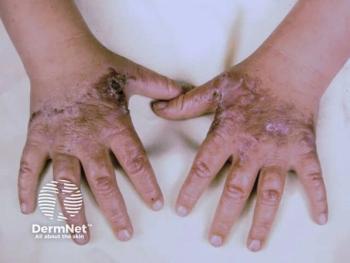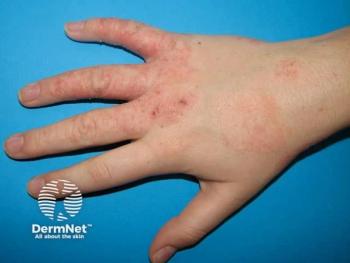
Dermatitis-related adverse events vary widely across atopic dermatitis systemic trials, driven by disease fluctuation and reporting differences, informing patient counseling and flare definitions.
New guidelines redefine short-term corticosteroid use in patients with AD, urging safer treatment transitions to advanced therapies for better outcomes.
Despite longstanding guideline recommendations discouraging the use of systemic corticosteroids (SCSs) in atopic dermatitis (AD), these agents remain widely prescribed, often inappropriately. A new position paper published in the Journal of Investigative Dermatology urgently addresses this disconnect between evidence and practice, calling for a clear, biologically grounded definition of “short-term” SCS use and reaffirming that any SCS exposure, regardless of duration, should prompt transition to advanced systemic therapies.1
Persistent Overuse Amid Clear Warnings
Nearly 20% of adolescent and adult patients with AD in the US are treated with systemic corticosteroids, predominantly in oral form. Nearly one-quarter of these patients receive SCSs for longer than 90 days, despite strong recommendations from the American Academy of Dermatology to avoid prolonged use. A key factor contributing to this trend is the lack of a standardized definition for "short-term" use, which enables inconsistent prescribing practices and payer policies that delay access to more appropriate, FDA-approved treatments.
“Ambiguity around ‘short-term’ steroid use has hindered care in AD. Even brief systemic exposure like a 6-day prednisone course constitutes systemic therapy and should trigger transition to steroid-sparing advanced systemic options,” paper author Christopher Bunick, MD, PhD, told Dermatology Times. “Our position statements close a long-standing care gap and protect patients from the cumulative harms of repeat steroid bursts, including risks of fractures and metabolic complications.”
Significant Harm Even with Brief Exposure
Contrary to common perceptions, short-term SCS use is not benign. A landmark US population-based study found that even a median 6-day outpatient SCS course was associated with significantly increased risks of sepsis (IRR 5.30), venous thromboembolism (IRR 3.33), and fracture (IRR 1.87), with these risks evident even at prednisone doses below 20 mg a day.2
Furthermore, the 2024 Endocrine Society guidelines highlight that adrenal suppression can occur within just 3 to 4 weeks of daily SCS use. Other well-documented adverse effects include weight gain, hypertension, diabetes, osteoporosis, Cushingoid features, and psychiatric symptoms. The rebound phenomenon—occurring in up to 81% of patients post-prednisolone—can perpetuate SCS cycling and dependence. Additionally, prolonged SCS use in AD has been associated with a 24% increase in major adverse cardiovascular events and an 81% increase in venous thromboembolism risk, emphasizing the urgency of minimizing exposure.
Establishing Evidence-Based Duration Thresholds
To address the current clinical and policy gap, the authors propose a biologically anchored classification of SCS duration in AD, in which short-term use equals < 3 to 4 weeks and long-term use equals ≥ 3 to 4 weeks. This threshold is aligned with the endocrine risk of hypothalamic–pituitary–adrenal axis suppression and reflects findings from the 2024 Endocrine Society guidance. The paper authors assert that any SCS exposure, including a single injection or short taper, should be considered a systemic therapy trial, qualifying the patient for advanced systemic treatment.
A Shift Toward Safer Systemic Options
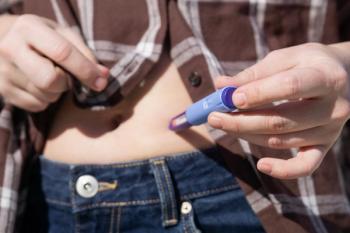
Modern systemic therapies, including oral Janus kinase (JAK) inhibitors and injectable biologics, have demonstrated both rapid symptom relief and durable disease control in randomized clinical trials. Oral JAK inhibitors, in particular, offer corticosteroid-comparable onset of action while supporting long-term disease management. Their use in adolescents and adults is endorsed in multiple national and international guidelines.
“Our treatment paradigm should focus on rapid itch relief, high-level skin clearance, and durability, not rotating prednisone tapers. Oral JAK inhibitors uniquely combine fast onset with long-term control and dosing flexibility, making the transition off systemic corticosteroids the right move for patients who prefer oral options,” Bunick said.
Injectable biologics, while effective, may be slower to act and less targeted during flares, underscoring the need for tailored systemic treatment strategies. Conventional immunosuppressants like cyclosporine and methotrexate remain options in select cases but lack FDA approval and carry a less favorable safety profile.
Expert Consensus: A New Standard of Care
In June 2025, a Delphi consensus panel of US dermatology experts affirmed 2 key practice standards. Firstly, SCS use should be strictly limited to a maximum of 3 to 4 weeks. Additionally, any SCS exposure qualifies as a systemic therapy trial and warrants transition to advanced therapies.
The panel emphasized that these standards should guide both clinical decision-making and payer policy, representing a clinical shift in the management of AD. Recognizing even brief SCS use as a systemic trial removes arbitrary barriers to accessing appropriate treatments and supports a risk-informed, patient-centered approach. With clear definitions and an evidence-based framework, Bunick and the authors urge clinicians and payers to adopt these standards to ensure safer, guideline-concordant care for patients with moderate-to-severe AD.
References
1. Burshtein J, Bunick CG, Vleugels RA, et al. Systemic Corticosteroid Use in Atopic Dermatitis: A Position Paper to Inform Safer Clinical Practice and Policy. J Invest Dermatol. Published online September 6, 2025. doi:10.1016/j.jid.2025.08.002
2. Waljee AK, Rogers MA, Lin P, et al. Short term use of oral corticosteroids and related harms among adults in the United States: population based cohort study. BMJ. 2017;357:j1415. Published 2017 Apr 12. doi:10.1136/bmj.j1415