


News|Videos|November 2, 2026
Derm On Air: Derm on Air: Hidradenitis Suppurativa Immunology and Early Treatment Timing
Cynthia Trickett, MPAS, PA-C, and Leigh Ann Pansch, MSN, FNP-BC, DCNP, show how HS immunology supports earlier treatment to prevent tunnels and scarring.
Advertisement

Growing recognition of hidradenitis suppurativa (HS) as a systemic inflammatory disease is reshaping treatment timing, with the underlying biology favoring intervention before tunnels and scarring become permanent.
In this episode of
Whether follicular occlusion or systemic inflammation comes first remains unresolved. Innate immune cells, including macrophages and keratinocytes, act alongside adaptive B and T cells, with memory T cells persisting within established tunnels. Because no single pathway dominates at every point, the therapeutic goal is broad control of inflammation rather than precise targeting of one cell type.
The biologic armamentarium reflects this layered biology. Tumor necrosis factor-α (TNF-α) inhibition with adalimumab (Humira) produced week 12 clinical response rates of 41.8% and 58.9% vs 26.0% and 27.6% with placebo in the phase 3 PIONEER I and II trials.¹ Interleukin (IL)-17 blockade followed, with secukinumab (Cosentyx), an IL-17A inhibitor, and bimekizumab (Bimzelx), an IL-17A and IL-17F inhibitor, each meeting phase 3 primary end points.²,³
Serious adverse event rates with adalimumab were similar to placebo, and oral candidiasis ranked among the more frequent events with bimekizumab.¹,³ Janus kinase (JAK) inhibition is the next frontier, with topical ruxolitinib (Opzelura) and oral upadacitinib (Rinvoq) under investigation in HS. Rather than suppressing immunity, these agents downshift an overactive immune response toward normal function.
Timing carries the clearest clinical consequence. Patients wait an average of roughly 7 years for an HS diagnosis, and once tunnels and scars form, medical therapy rarely reverses them, leaving surgery as the main option.⁴ The window of opportunity mirrors psoriatic arthritis, where joint damage accrues irreversibly once inflammation goes unchecked.
Counseling also shapes uptake. Framing HS as immune mediated rather than a consequence of weight, smoking, diet, or hygiene may reduce stigma and support earlier acceptance of systemic therapy, while closer follow-up gives hesitant patients time to decide.
Collectively, a pathway-level understanding of HS positions systemic therapy as tissue-preserving intervention and makes earlier diagnosis and treatment initiation central priorities in disease management.
REFERENCES:
- Kimball AB, Okun MM, Williams DA, et al. Two phase 3 trials of adalimumab for hidradenitis suppurativa. N Engl J Med. 2016;375(5):422-434.
doi:10.1056/NEJMoa1504370 - Kimball AB, Jemec GBE, Alavi A, et al. Secukinumab in moderate-to-severe hidradenitis suppurativa (SUNSHINE and SUNRISE): week 16 and week 52 results of two identical, multicentre, randomised, placebo-controlled, double-blind phase 3 trials. Lancet. 2023;401(10378):747-761.
doi:10.1016/S0140-6736(23)00022-3 - Kimball AB, Jemec GBE, Sayed CJ, et al. Efficacy and safety of bimekizumab in patients with moderate-to-severe hidradenitis suppurativa (BE HEARD I and BE HEARD II): two 48-week, randomised, double-blind, placebo-controlled, multicentre phase 3 trials. Lancet. 2024;403(10443):2504-2519.
doi:10.1016/S0140-6736(24)00101-6 - Saunte DM, Boer J, Stratigos A, et al. Diagnostic delay in hidradenitis suppurativa is a global problem. Br J Dermatol. 2015;173(6):1546-1549.
doi:10.1111/bjd.14038
Advertisement
Related to this article
Explore the top headlines of the month, including insights on the latest clinical trials, therapeutic updates, and more.
Dermatology Times is looking back on the top stories in dermatology from the month of October.

From “Botox in a bottle” to castor oil and face taping, Dermatology Times reviews the evidence behind 3 viral dermatology trends from October.
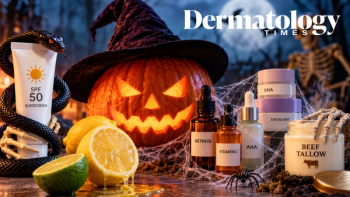
Dermatology PAs unpack 4 frightening skin care myths and trends, from sunscreen misinformation and citrus DIYs to overusing actives and beef tallow.
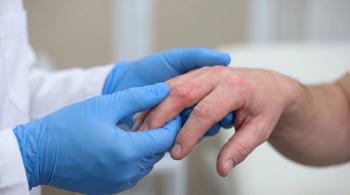
The approval expands the IL-23 inhibitor’s indications beyond moderate-to-severe plaque psoriasis to include adults with active psoriatic arthritis.
Find out what skin care products and aesthetic innovations clinicians are recommending to patients for the month of October.
Clinician FAQ on remibrutinib's FDA approval in symptomatic dermographism: RemIND efficacy, mechanism, safety, and supporting CSU evidence.

Elevate-Derm Summer 2026 faculty share practical lessons on hair loss exams, PIH, geriatric dermatology, and managing cholesterol rises on JAK inhibitors.
Advertisement
Advertisement