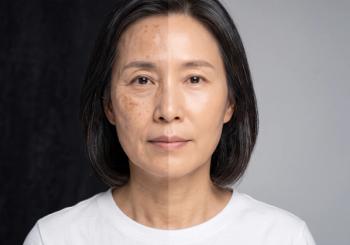
Dermatology’s growing focus on skin longevity demands clear definitions, validated outcomes, and rigorous evidence beyond anti-aging claims.
Discover how BOTOX Cosmetic Day highlights natural results and patient satisfaction, backed by new research from ASDS on diverse populations and effective treatment strategies.
As we celebrate the seventh annual BOTOX Cosmetic Day, conversations around achieving subtle, natural-looking results with neuromodulator treatments have never been more relevant. At the recent American Society for Dermatologic Surgery (ASDS) meeting in Chicago, Illinois, new data co-authored by board-certified dermatologist and founder of Bertucci MedSpa in Woodbridge, Ontario, Canada, Vince Bertucci, MD, FRCPC, explored how full on-label dosing of onabotulinumtoxinA (BOTOX Cosmetic) on upper facial lines can deliver both efficacy and natural aesthetic outcomes across diverse patient populations.1 In this interview with Dermatology Times, Bertucci discusses key findings from the study, including patient-reported satisfaction, psychological benefits, and the importance of diversity in clinical research, while offering practical guidance for clinicians navigating patients’ fears of appearing “frozen.”
Dermatology Times: A common treatment barrier for patients is the fear of an unnatural, “frozen” look, particularly in the forehead. What is your experience with this in the clinic and how do you approach these conversations with patients interested in BOTOX?
Bertucci: I commonly hear these concerns from patients in clinic. I acknowledge their concerns and explain that we can maintain a natural look through a detailed knowledge of anatomy, individualized assessments, and precise product placement. Knowing that we’ve done this successfully for years helps reassure our patients that they will achieve a natural, refreshed look. These study findings suggest that natural-looking outcomes can be achieved using the full on-label dosing of BOTOX Cosmetic (64U). These findings may facilitate better communication between patients and clinicians to dispel fears of achieving an unnatural or “frozen” look.
Dermatology Times: Were there any findings regarding patient satisfaction that you thought were particularly interesting or surprising in this research?
Bertucci: The majority of study participants reported a high level of patient satisfaction with natural look at day 30 as measured by the Facial Line Satisfaction Questionnaire (FLSQ) and satisfaction was sustained through day 180. A particularly interesting finding was the 20.1-point improvement from baseline to Day 30 on the FACE-Q scale, indicating that participants felt significantly more positive about their facial appearance following treatment. Furthermore, another key finding was that following treatment, patients reported improved psychological function, including feeling confident, happy, and attractive.
One thing I would also like to touch on is the observed safety profile in the study, which was consistent with the established safety profile for BOTOX Cosmetic. Additionally, the results were similar across all patient subgroups, showing high patient satisfaction with treatment across races, genders, skin types, and levels of toxin naivety. These findings address concerns about an “unnatural” or “frozen” appearance and provide valuable insights for patient-clinician communication.
Dermatology Times: What was the significance of including a diverse population in this study?
Bertucci: BOTOX Cosmetic is a treatment accessible to all patients and all skin types. Therefore, it is crucial to investigate the perspectives of a diverse population set to better understand our patients and their treatment goals and desires. Additionally, this study aimed to strengthen existing data in underrepresented populations to contribute to the global understanding and clinical differentiation of BOTOX Cosmetic. Many clinical trials have focused on narrow patient demographics. The fact that we now have data representative of our diverse population allows us to better communicate treatment benefits that they can personally identify with.
Dermatology Times: As we celebrate National Botox Day, what advice can you offer to aesthetic dermatologists who are increasingly treating diverse groups of patients, especially those looking for more natural results?
Bertucci: As physicians, we are also educators. It is essential for us to understand the perspectives of our patients so that we can address their concerns and ultimately meet their aesthetic goals. While some clinicians may administer lower than on-label dosing of BOTOX Cosmetic to meet a patient’s desire for a more “natural” look, the findings from this study reveal that natural-looking outcomes can be achieved using the full on-label dosing of BOTOX Cosmetic.
Reference
1. Bertucci V, Gold M, Cheng C, et al. High patient satisfaction with natural-looking results after onabotulinumtoxinA treatment for upper facial lines in a diverse population: a phase IV, open-label, multicenter study. Abstract. Presented at: American Society for Dermatologic Surgery Annual Meeting. November 13-16, 2025. Chicago, Illinois.