Prospective data suggest DecisionDx-Melanoma may help refine SLNB decisions and identify recurrence risk beyond conventional staging.
The development of new biologics targeting a variety of dermatoses is on the upswing with some treatments coming to the clinic as early as this year, according to April Armstrong, M.D. who discussed the topic at the American Academy of Dermatology Spring Meeting in Washington, D.C.
The development of
According to April Armstrong, M.D., associate dean for clinical research and professor of dermatology for Keck School of Medicine at the University of Southern California, emerging biologics are on the horizon for psoriasis, atopic dermatitis and melanoma.
Armstrong discussed these
“Clinicians need to know about these biologics because they will likely be introduced to their clinics at some point in the coming year,” she said.
PSORIASIS
For psoriasis, she said, there are three new biologics in late-stage development - two
Additionally, IL-17 inhibitor bimekizumab has been found to work quickly with high efficacy, as well, with as many as 90 percent of study participants reaching a PASI 90 score.
ATOPIC DERMATITIS
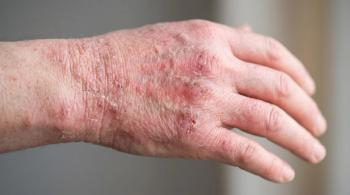
Atopic dermatitis research is also advancing for two
“The main message here is that we’re still trying to figure out the optimal pathway for atopic dermatitis when we treat it with biologics,” she said.
In one clinical trial, lebrikizumab was found to reduce the effects of atopic dermatitis when used in conjunction with topical corticosteroids. A tralokinumab study also showed patients treated with the biologic saw improvement in their EASI scores. Additionally, a clinical trial revealed subcutaneously administered neolimzumab reduced the effects of pruritus and dermatitis.
MELANOMA
Despite being revolutionized over the past decade, melanoma could soon have a new biologic treatment on the way, she said. It’s the PD-1 inhibitor
This humanized monoclonal antibody inhibits PD-1 signaling, activates T cells, and prompts an immune response to tumor cells, leading to tumor reduction.
Although these biologics are not yet available for clinical use, dermatologists who know these potential therapies exist and are on the way will be able to provide better medical guidance to their patients, Armstrong said.
“Dermatologists need to know about these biologics because the role of these treatments has really increased in dermatology beyond psoriasis,” she said. “It’s important they have this information so they can tell their patients that aren’t responding to some of their current therapies that other treatments in late-stage development could potentially help them once they’re approved and on the market.”
Reference:
S029 - Controversies and Difficult Questions Concerning Biologic Therapeutics. “New biologics on the horizon for a variety of important dermatoses.” April Armstrong, M.D., 2:30 p.m., March 2, American Academy of Dermatology 2018 annual meeting.