Frequently Asked Questions
What did the TOGETHER-PsO biomarker analysis show?
Ixekizumab plus tirzepatide changed more proteins (482 vs 140) and genes (467 vs 16) than ixekizumab alone by week 36, with broader responses seen as early as week 12.
How do ixekizumab and tirzepatide work?
Ixekizumab is a monoclonal antibody blocking IL-17A from binding its receptor. Tirzepatide is a dual GIP and GLP-1 receptor agonist, which lowers body weight by reducing appetite and calorie intake.
What was the TOGETHER-PsO primary endpoint result?
At week 36, 27.1% of patients receiving ixekizumab plus tirzepatide achieved PASI 100 and weight loss of 10% or more vs 5.8% with ixekizumab alone (P < .001).
TOGETHER-PsO trial design and biomarker findings
TOGETHER-PsO (NCT06588283) is a 52-week, randomized, multicenter, assessor-blinded, open-label phase 3b study. A total of 274 adults were randomized 1:1 to subcutaneous ixekizumab alone or with tirzepatide.1 Eligible patients had a BMI of 30 kg/m² or higher, or 27 to less than 30 kg/m² with at least 1 weight-related comorbidity.1
Both arms received counseling on a reduced-calorie diet and increased physical activity. The primary endpoint was the proportion of participants achieving both Psoriasis Area and Severity Index (PASI) 100 and weight reduction of 10% or more at week 36.1
Topline data showed 27.1% of patients receiving combination therapy met the primary endpoint vs 5.8% receiving ixekizumab alone (P < .001).2 PASI 100 alone was reached by 40.6% vs 29.0% of patients, respectively (P < .05).2
The exploratory analysis assessed circulating proteins and gene expression in blood. Combination therapy was associated with broader biomarker responses as early as week 12, according to Lilly.1 By week 36, 482 proteins were differentially expressed with combination therapy vs 140 with monotherapy, along with 467 vs 16 genes, respectively.1
Neutrophil-associated markers and safety with ixekizumab plus tirzepatide
The analysis also showed greater reductions in inflammatory immune activity with combination therapy, including changes related to neutrophils.1 Changes in a subset of neutrophil-associated markers mediated a portion of the additional PASI response observed with ixekizumab plus tirzepatide vs ixekizumab alone, according to Lilly.1 At week 36, changes in psoriasis-specific, immune, and metabolic biomarkers in both arms were consistent with the known biological effects of each agent in its approved indications.1
In the primary analysis, adverse events with combination therapy were generally mild to moderate and consistent with the known profile of each medicine.2 The most common adverse events in 5% or more of the combination arm were nausea, diarrhea, constipation, injection site reaction, dosing error, vomiting, and dizziness.2 In the monotherapy arm, injection site reaction, dosing error, and nasopharyngitis were most common.2
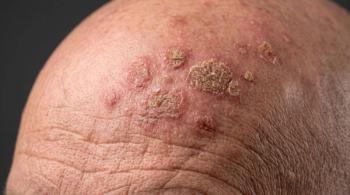
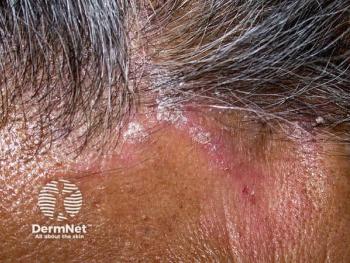
Efficacy was maintained or further improved through week 52, with safety consistent with the known profile of each agent, according to Lilly.1 The trial population carried a high disease burden, with a mean BMI above 39 kg/m² across both arms.2 Nearly all participants (97%) had psoriasis affecting high-impact areas such as the face, scalp, or genitals.2
"The broader biomarker changes observed with Taltz and Zepbound, including those associated with skin clearance, may point to a meaningful relationship between immune and metabolic biology," said Mark Genovese, MD, senior vice president of Lilly Immunology development.1
Lilly has stated detailed 36-week TOGETHER-PsO results will be published in a peer-reviewed journal and discussed with regulators.2 The company previously reported positive topline data from TOGETHER-PsA, which evaluated the same combination in psoriatic arthritis.2
References
Eli Lilly and Company. New phase 3b data on Lilly's Taltz (ixekizumab) and Zepbound (tirzepatide) advance understanding of the interconnected immune and metabolic biology in adults with psoriasis and obesity. Published October 9, 2026. Accessed October 9, 2026. https://investor.lilly.com/news-releases/news-release-details/new-phase-3b-data-lillys-taltz-ixekizumab-and-zepbound-0
Eli Lilly and Company. Lilly's Taltz (ixekizumab) and Zepbound (tirzepatide) used together delivered superior efficacy in first-of-its-kind phase 3b trial for adults with psoriasis and obesity or overweight. Published February 18, 2026. Accessed October 9, 2026. https://investor.lilly.com/news-releases/news-release-details/lillys-taltz-ixekizumab-and-zepbound-tirzepatide-used-together-0