


Ruxolitinib cream 1.5% may soon be the first FDA-approved treatment for repigmentation of vitiligo. Experts share what dermatologists need to know regarding efficacy, safety, and cost of this topical drug.
Ruxolitinib cream 1.5% may soon be the first FDA-approved treatment for repigmentation of vitiligo. Experts share what dermatologists need to know regarding efficacy, safety, and cost of this topical drug.

Aging in skin of color is less about wrinkling and more about fat loss.

Two experts offer a step-by-step guide to creating an effective multidisciplinary treatment team.

Allergic contact dermatitis and atopic dermatitis are common causes of rashes in the pediatric population. Patch testing can help demystify the cause of such skin conditions and determine treatment.

In vitro and in vivo research sheds light on medication’s mechanism of action.

A clinician updates the conventional wisdom on acne’s variations in patients of color, offering pearls from her practice and practical takeaways from recent research.

“Given the difference in state taxes, the bottom-line difference for the physician could be in 6 figures—every year! Compounded with even a conservative growth rate, this could mean millions of dollars of difference over a career.”

“Medical literature from India and the Middle East is full of reports of success in treating postinflammatory hyperpigmentation and melasma with topical tranexamic acid, but properly powered, well-controlled studies are still lacking.”

“Dermatologists are not in violation of FDA statutes for prescribing the off-label use of prescription drugs.” See what David J. Goldberg is discussing in this month's Legal Eagle.

A comprehensive review explored new uses of this popular technology in aesthetic and medical dermatology.

What role will digital therapeutic agents have in the coming years of atopic dermatitis treatment? It’s still being studied, but Jonathan Silverberg, MD, reviewed an interventional study that may provide key insights into what’s to come.

Medications, plants, and more may play a significant role in systemic contact dermatitis.
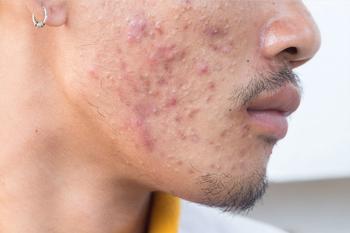
In a presentation at the recent AAD annual meeting, Diane M. Thiboutot, MD, discusses the potential risks of antibiotic resistance in acne management.

Experts explored out-of-the-box solutions for treating challenging skin and hair disorders at the American Academy of Dermatology (AAD)’s 2022 Annual Meeting held March 25 to 29, 2022, in Boston, Massachusetts.

Mariam Totonchy, MD, and Chrysalyne D. Schmults, MD, MSCE, discuss best practices when caring for high-risk cSCC patients, including surgical vs nonsurgical options, imaging, and follow-up protocol.