Articles by Bob Kronemyer

Frontline Forum Part 4: Exploring Expert Perspectives on the Management of Acne Vulgaris
ByNeal Bhatia, MD,Dawn Eichenfield, MD, PhD,Lawrence Eichenfield, MD,Linda Stein Gold, MD,Guy Webster, MD, PhD, FAAD,Bob Kronemyer,Dermatology Times Staff In the final part of this Frontline Forum series, Neal Bhatia, MD; Dawn Eichenfield, MD, PhD; Lawrence Eichenfield, MD; Linda F. Stein Gold, MD; and Guy Webster, MD, PhD, discuss the practical and clinical considerations in the management of acne vulgaris, reviewing available treatment options and how to treat acne scars.
Frontline Forum Part 3: Exploring Expert Perspectives on the Management of Acne Vulgaris
ByNeal Bhatia, MD,Dawn Eichenfield, MD, PhD,Lawrence Eichenfield, MD,Linda Stein Gold, MD,Guy Webster, MD, PhD, FAAD,Bob Kronemyer,Dermatology Times Staff In part 3 of this Frontline Forum series, Neal Bhatia, MD; Dawn Eichenfield, MD, PhD; Lawrence Eichenfield, MD; Linda F. Stein Gold, MD; and Guy Webster, MD, PhD, discuss the practical and clinical considerations in the management of acne vulgaris, reviewing available treatment options and how to treat acne scars.
Frontline Forum Part 2: Exploring Expert Perspectives on the Management of Acne Vulgaris
ByNeal Bhatia, MD,Dawn Eichenfield, MD, PhD,Lawrence Eichenfield, MD,Linda Stein Gold, MD,Guy Webster, MD, PhD, FAAD,Bob Kronemyer,Dermatology Times Staff In part 2 of this Frontline Forum series, Neal Bhatia, MD; Dawn Eichenfield, MD, PhD; Lawrence Eichenfield, MD; Linda F. Stein Gold, MD; and Guy Webster, MD, PhD, discuss the practical and clinical considerations in the management of acne vulgaris, reviewing available treatment options and how to treat acne scars.

Frontline Forum Part 1: Exploring Expert Perspectives on the Management of Acne Vulgaris
ByNeal Bhatia, MD,Dawn Eichenfield, MD, PhD,Lawrence Eichenfield, MD,Linda Stein Gold, MD,Guy Webster, MD, PhD, FAAD,Bob Kronemyer,Dermatology Times Staff In part 1 of this Frontline Forum series, Neal Bhatia, MD; Dawn Eichenfield, MD, PhD; Lawrence Eichenfield, MD; Linda F. Stein Gold, MD; and Guy Webster, MD, PhD, discuss the practical and clinical considerations in the management of acne vulgaris, reviewing available treatment options and how to treat acne scars.

The association was significant after adjusting for sociodemographic factors, hair status, dietary intake, lifestyle, and psychological status.

Study investigators said this system could have significant clinical implications.

Numerous over-the-counter (OTC) nutritional supplements appear effective in treating hair loss, according to a systematic review published in JAMA Dermatology.

To date, it is unknown what impact potential response-adapted treatment strategies for advanced melanoma may have economically.

In a recent study from the Journal of the American Academy of Dermatology, investigators assessed symptoms, disease burden, and use of analgesics in patients with or without psoriatic arthritis.

A recent study examined the role of inflammation and psoriasis in cardiometabolic diseases, focusing on metabolic syndrome and its components.

Hilary Baldwin, MD, used examples of challenging cases to show how to develop successful combination regimens.

Dermatologist urges colleagues to take mindful measures to avoid errors.

Even with patient hesitancy, treating PPP with gentian violet and chemical peels could help patients avoid biologics.

Thanks to new drug approvals, medical management is replacing surgery as the first-line treatment for inflammation caused by hidradenitis suppurativa. However, surgery is often necessary to relieve pain related to tunnels.

There is still room for improvement to the National Rosacea Society Expert Committee's updated classi�fication schema for rosacea, according to William James, M.D.

Brett Coldiron, M.D., offers insight on how recent legislative and regulatory changes may impact your practice.

Stay up-to-date on the most recent clinical advances in atopic dermatitis.

JAK inhibitors have shown efficacy across several conditions due to the number and role of cytokines in the pathogenesis of these conditions, one expert says.

The shift from antihistamines to newer drugs for treating pruritus is rapidly accelerating. Gil Yosipovitch, M.D. shares the treatments you should know in his presentation at the Fall Clinical Dermatology Conference in Las Vegas.

For many years, genetic expression profiling has helped physicians predict which patients are at the highest risk of having their melanoma metastasize. Now, this same approach could aid in treating squamous cell carcinoma of the skin.

Hilary Baldwin, M.D., discusses the nuances of adult female acne and its treatments in her presentation at the Fall Clinical Dermatology Conference in Las Vegas.

Changes in government medical billing and coding for dermatologists and other physicians is scheduled to begin January 2021.

In order for a dermatology practice to advance to the next financial level, it is important to identify needed areas of improvement. This is where benchmarking comes into play.
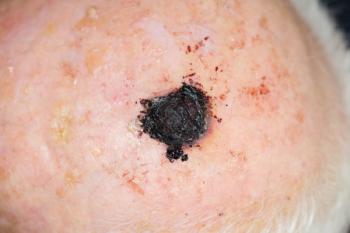
What is a life worth? Does it come down to dollars and cents? A recent study examines these questions in light of current and projected costs of melanoma treatment.

Patients with moderate-to-severe atopic dermatitis are at high risk of having inadequate disease control, according to a cross-sectional study in JAMA Dermatology.

European Union regulation on data protecion has put pressure on U.S. legislators and regulators to heighten protections within our own borders, experts say. The ramifications for healthcare organizations, both abroad and in the United States, are significant. Here’s what you need to know.

Researchers explore the association between drug price and market competition among the most commonly prescribed topical generic medications in dermatology. Here's what they found.

Biologic tildrakizumab-asmn approved with suffix as differentiator from future biosimilar versions.

A 13-year-old girl presented with a history of atopic dermatitis and alopecia totalis. Nine months after starting dupilumab, the patient regrew hair on 60 percent of her scalp.

Severe case of dupilumab-associated conjunctivitis successfully managed without discontinuing therapy.