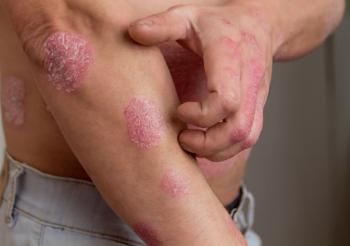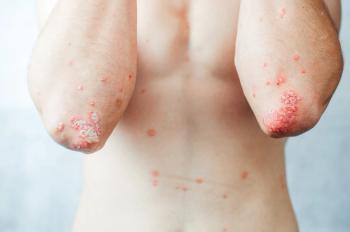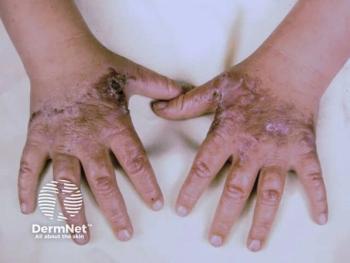
Takeda’s investigational oral TYK2 inhibitor is supported by phase 3 LATITUDE data demonstrating significant skin clearance versus placebo and apremilast.
WHO includes adalimumab and ustekinumab for psoriasis, plus sunscreen for albinism, enhancing global skin health and access to essential treatments.
Last month, the World Health Organization (WHO) added 2 biologic therapies—adalimumab and ustekinumab—for moderate-to-severe psoriasis, along with broad-spectrum SPF 50+ sunscreen for patients with albinism and urea- and glycerol-based moisturizers for atopic dermatitis (AD), to its Model List of Essential Medicines (EML) and Essential Medicines List for Children. The decision, made by the WHO Expert Committee on the Selection and Use of Essential Medicines, marks the first time these dermatologic treatments have been included on the list, reflecting the growing recognition of skin health as a global public health priority.
“For the ILDS, this historic decision highlights the importance of continuing to collaborate with the WHO, our member societies, and partners to ensure that these global decisions lead to real improvements in care, particularly in underserved communities. It is through steps like this that we move closer to our vision of ‘Skin Health for the World,’” president of the International League of Dermatological Societies, Henry W. Lim, MD, said in the press release.1
The EML serves as a global reference for governments and health systems, guiding procurement, insurance coverage, and national policy development. Updated biennially, the EML includes over 500 medicines deemed essential to meet the most pressing public health needs. The inclusion of these dermatological interventions marks a shift in how skin diseases are prioritized within the global health agenda, confirming that these therapies are central to achieving equitable and comprehensive health care worldwide.
Updates for Patients with Psoriasis
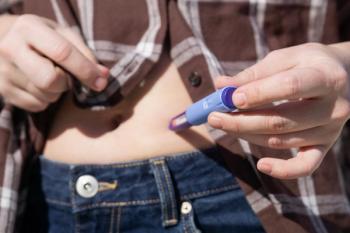
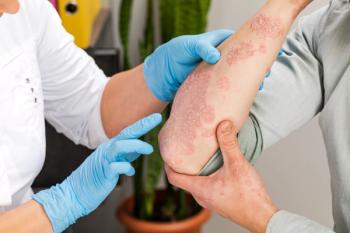
The newly listed biologics, adalimumab and ustekinumab, are targeted immunotherapies that have shown significant efficacy in managing psoriasis, which affects over 60 million people across the world. Their inclusion in the EML is a result of applications submitted by the ILDS, with strong support from global dermatology and patient advocacy groups, including the International Psoriasis Council.
"The decision by the WHO to include the biologic therapies adalimumab and ustekinumab for adults and children with psoriasis in its Essential Medicines List is a game-changer. Psoriasis is a chronic, currently incurable and life-ruining, disease that affects at least 60 million people worldwide; access to these two highly effective medicines will transform the lives of many thousands of patients, particularly those in low-and middle-income countries,” Professor Chris Griffiths, OBE, the director of the Global Psoriasis Atlas and special advisor to the ILDS on Global Health Research and Policy, said.
This addition hopes to accelerate the integration of quality-assured biosimilars into national health systems, enhancing affordability and equitable distribution in places where access to biologics has previously been limited. Ricardo Romiti, MD, PhD, Vice-Chair of the ILDS-WHO Committee and clinical professor at the University of São Paulo, Brazil, shared his thoughts with Dermatology Times.
"The admirable decision to include both adalimumab and ustekinumab in the treatment of moderate-to-severe psoriasis to the latest update to the WHO Model List of Essential Medicines is unique,” he said. Millions of patients all around the world with this chronic and highly impacting disease now have a better chance to improve their quality of life."
Updates for Patients with Albinism
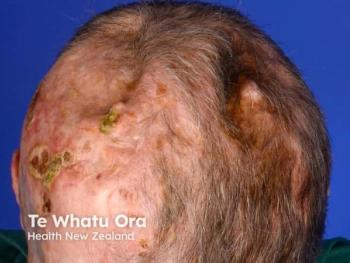
The committee also approved the addition of broad-spectrum sunscreen (SPF 50+) specifically to protect patients with albinism, who face extremely high risks of UV-induced skin cancers. This patient group is 1,000 times more likely than the general population to develop squamous cell carcinoma on sun-exposed skin. The application was spearheaded by the UN Independent Expert on the enjoyment of rights by persons with albinism, in collaboration with the Global Albinism Alliance and the UN Special Rapporteur on Human Rights in the Context of Climate Change, with significant backing from ILDS and other global stakeholders.
“Sunscreens are an absolutely critical tool for protecting the skin from the harmful immediate and long-term effects of solar radiation. This is especially important for individuals with albinism who are at extreme risk for skin cancer because they lack sufficient natural skin protection,” said Harvey Lui, MD, past president of the ILDS and Special Advisor.1
Lars French, MD, immediate past president of the ILDS and chair of the ILDS-WHO Committee, concluded, “In the 2025 update of the WHO Essential Medicines List, it is exciting to see the inclusion of adalimumab and ustekinumab for psoriasis, broad-spectrum sunscreen for people with albinism, and urea- and glycerol-based moisturizers for atopic dermatitis. This landmark step should benefit patients globally and affirms that skin health is essential to universal health coverage and global health equity. I am honored to lead the ILDS WHO Committee in advancing this work and grateful to our partners who made these applications possible – Chris Griffiths, Peter van de Kerkhof, Homa Chuku, all members of our Medicines Working Group, the Medicom team, particularly Rachel Giles, and our colleagues at Global Skin and the International Psoriasis Council.”
The full list of the WHO Model List of Essential Medicines can be found
Reference
1. WHO Adds Biologics for Psoriasis and Sunscreen for Albinism to Essential Medicines List. News release. International League of Dermatological Societies. Published September 11, 2025. Accessed October 3, 2025.