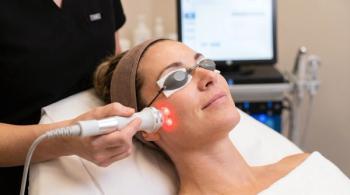
For Healthy Skin Month, a dermatology nurse practitioner shares why sunscreen matters in winter and how clinicians can close gaps in skin cancer screening.

From state practice laws to startup costs, nurse practitioners face important clinical, financial, and regulatory considerations when opening a practice.
For nurse practitioners (NPs)
A November 2026 report from NursePractitionerOnline.com outlined several considerations for NPs interested in establishing their own practices, emphasizing a key distinction: owning a health care business does not necessarily grant a clinician the authority to practice independently.
As more NPs explore opportunities in private practice, understanding the intersection of clinical autonomy and business ownership is an important first step.
One of the most significant considerations for prospective NP practice owners is the regulatory environment in which they intend to operate.
The American Association of Nurse Practitioners (AANP) categorizes state practice environments as
However, clinical practice authority and business ownership are governed by different legal frameworks.
For example, the report highlighted Alabama, where certified registered nurse practitioners may own a practice despite requirements for physician collaboration. Conversely, some states may permit substantial clinical independence while maintaining restrictions on professional business ownership.
NPs should therefore review both their state's nursing practice laws and applicable business ownership requirements before establishing a practice.
Beyond obtaining the necessary licenses and registrations, NPs planning to accept insurance must
According to the report, Medicare enrollment may take approximately 30 to 90 days, while commercial insurance credentialing can take 60 to 120 days or longer.
These timelines can create financial challenges for new practices, particularly when operating expenses begin before insurance reimbursements are received.
Medicare generally reimburses NP services billed directly under the NP's National Provider Identifier at 85% of the physician fee schedule amount. Certain services may qualify for different reimbursement arrangements when specific regulatory requirements are satisfied.
Prospective practice owners must also consider
The report estimated that malpractice insurance for a solo primary care practice may cost approximately $3,000 to $8,000 annually, while electronic health record software for an individual NP may range from $100 to $400 monthly.
Establishing a physical clinic can introduce additional expenses, including office leases, renovations, clinical equipment, and staffing.
For NPs seeking lower initial overhead,
The report also emphasized the importance of maintaining sufficient cash reserves to support operations during the initial months of practice.
Practice ownership may provide NPs with greater control over scheduling, patient care models, and professional development. However, it also introduces responsibilities that extend beyond direct patient care.
Owners must oversee administrative operations, manage finances, maintain regulatory compliance, and establish sustainable patient acquisition and retention strategies.
For NPs interested in expanding their professional roles, private practice can represent an opportunity to
Ultimately, successful practice ownership requires more than clinical independence. Understanding state regulations, anticipating
References