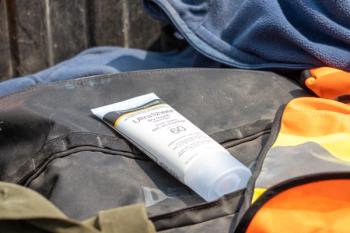
Two new Neutrogena facial sunscreens incorporate bemotrizinol, the first new sunscreen active ingredient added to the US OTC monograph in decades.
Discover how internet-based therapy effectively treats dermatological BFRBs like trichotillomania and dermatillomania, enhancing patient outcomes and accessibility.
Recent research from
Background
BFRBs are compulsive behaviors characterized by repetitive manipulation of hair or skin, often leading to significant impairment in social functioning and emotional well-being. While mild forms of these behaviors may be relatively harmless, their severe manifestations can cause distress, social embarrassment, and physical harm. Historically, treatment options have included face-to-face psychotherapy, primarily Habit Reversal Training (HRT), and Acceptance and Commitment Therapy (ACT).2 However, accessibility issues, such as a lack of trained therapists and high costs, have hindered many individuals from seeking or maintaining treatment.
The rise of internet-based therapy platforms offers a solution by providing remote, flexible, and private access to effective interventions. Prior research suggests that internet-delivered CBT can reduce symptoms across a range of psychological conditions, but for BFRBs, data has been limited. Establishing the efficacy of digital CBT, especially when combined with therapist support, could revolutionize management strategies for these often stigmatized and under-treated disorders.
Study Design and Methodology
The 2 programs integrate core CBT techniques, including psychoeducation, Habit Reversal Training, and Acceptance and Commitment Therapy, all via smartphones and computers. The programs feature structured modules with exercises, self-monitoring tools, ongoing symptom assessment, and automated unlocking of new sessions based on individual progress. Each patient is supported by a trained therapist through secure chat messaging, allowing for personalized guidance, feedback, and motivation.
Patient engagement with the programs was monitored through metrics such as the number of sessions completed, messages exchanged with therapists, and self-reported symptom severity. Researchers analyzed pre- and post-treatment assessments from over 1,400 users logged between 2019 and 2022 (n = 840 participants in SkinPick and 583 participants in TrichStop). Included patients had to have completed at least 2 assessments. All were over the age of 13 (mean age: 31) and approximately 90% were female.
Key Findings and Limitations
The study revealed substantial reductions in symptoms of hair pulling and skin picking, with improvements increasing as participants completed more sessions. Patients who completed all 8 core sessions showed consistent symptom improvement, supported by statistically significant findings with large effect sizes. Notably, the number of sessions and messages exchanged with therapists positively correlated with the degree of symptom reduction, emphasizing the importance of active engagement and support.
Patients in both programs wrote a mean of 125.29 messages to their therapist and received a mean of 98.36 messages from the therapist. Additionally, user satisfaction was high. Over 87% of respondents would recommend the programs to others, and average ratings of program quality exceeded 4 out of 5. These findings demonstrate that users found the programs both accessible and beneficial, encouraging continued usage and engagement.
Limitations include the absence of a control group, which restricts definitive claims about efficacy, and reliance on self-report measures rather than clinician-administered assessments. Additionally, demographic information was limited, which constrains understanding of how these interventions perform across different population subgroups. Future studies should incorporate randomized controlled designs, include objective outcome measures, and examine long-term maintenance of treatment gains.
Conclusion
The promising results demonstrate that internet-based, therapist-supported CBT programs can significantly reduce symptoms of hair pulling and skin picking, by providing convenient, personalized guidance and adapting to one’s individual needs. As digital health technologies continue to evolve, these interventions have the potential to become a mainstay in the management of dermatological BFRBs, ultimately improving quality of life for patients across the world.
References
1. Dar, R., Schonbach, M. & Wenzler, S. Efficacy of Internet-based, Therapist-Assisted Treatment Programs for Hair Pulling and Skin Picking: Preliminary Results. Cogn Ther Res 48, 66–74 (2024).
2. Madan SK, Davidson J, Gong H. Addressing body-focused repetitive behaviors in the dermatology practice. Clin Dermatol. 2023;41(1):49-55. doi:10.1016/j.clindermatol.2023.03.004