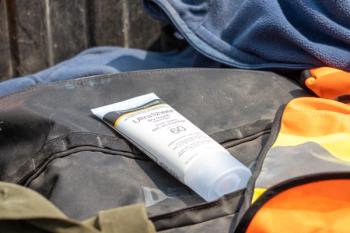
Two new Neutrogena facial sunscreens incorporate bemotrizinol, the first new sunscreen active ingredient added to the US OTC monograph in decades.
Explore the top headlines of the week, including insights on the latest clinical trials, therapeutic updates, and more.
To stay up to date with the latest dermatology news, sign up to receive our
At
In a recent Dermatology Times interview, Las Vegas dermatologist David Cotter, MD, PhD, discussed the promise and pitfalls of AI in clinical practice. While AI tools like scribes and prior authorization assistants are reducing administrative burdens and streamlining patient access to treatments, Cotter warns that insurers are also using AI—often to deny claims at alarming rates. This dual use has sparked legal action, including class-action lawsuits against companies allegedly automating denials without proper review. Clinically, AI has potential in diagnostics, especially for skin cancer, but Cotter stresses it's not yet reliable as a standalone tool. Instead, he advocates for a collaborative approach: “man with machine.” Cotter urges fellow clinicians to embrace AI responsibly, integrating it into practice while remaining vigilant, saying, “The future is now… If we shy away from it, patients may experience harm.”
At the
A new multicenter retrospective study out of Japan, published in The Journal of Dermatology, highlights emerging concerns about cutaneous adverse effects linked to nemolizumab, an IL-31RA–targeting monoclonal antibody approved for moderate to severe pruritus in atopic dermatitis (AD). In an analysis of 219 patients, 40.2% developed distinct skin eruptions—often non-pruritic and morphologically different from baseline AD—within the first 3 doses. Common presentations included erythema, coin-shaped plaques, and dry/scaly lesions. Though most cases were manageable with high-potency topical corticosteroids, 2 patients developed bullous pemphigoid. Researchers recommend close monitoring during early treatment, especially up to the third dose, and emphasize that discontinuation does not always lead to faster resolution due to nemolizumab’s long half-life.
Galderma’s phase 4 trial results show that combining Sculptra with Restylane Lyft or Contour can effectively restore facial volume and improve skin quality in patients experiencing rapid, medication-induced weight loss. In the study, over 85% of participants felt their face looked less gaunt, and 91% said they’d recommend the treatment. Investigator Michael Somenek, MD, emphasized the importance of a holistic, personalized approach, highlighting how aesthetic treatments can help align patients’ facial appearance with their renewed confidence during weight loss journeys.