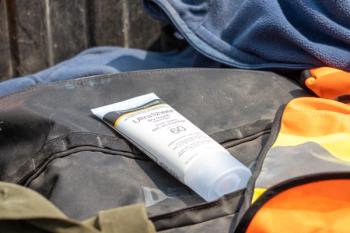
Two new Neutrogena facial sunscreens incorporate bemotrizinol, the first new sunscreen active ingredient added to the US OTC monograph in decades.
Explore the top headlines of the week, including insights on the latest clinical trials, therapeutic updates, and more.
To stay up to date with the latest dermatology news, sign up to receive our
In a recent Dermatology Times interview, Las Vegas dermatologist David Cotter, MD, PhD, discussed the promise and pitfalls of AI in clinical practice. While AI tools like scribes and prior authorization assistants are reducing administrative burdens and streamlining patient access to treatments, Cotter warns that insurers are also using AI—often to deny claims at alarming rates. This dual use has sparked legal action, including class-action lawsuits against companies allegedly automating denials without proper review. Clinically, AI has potential in diagnostics, especially for skin cancer, but Cotter stresses it's not yet reliable as a standalone tool. Instead, he advocates for a collaborative approach: “man with machine.” Cotter urges fellow clinicians to embrace AI responsibly, integrating it into practice while remaining vigilant, saying, “The future is now… If we shy away from it, patients may experience harm.”
New case studies suggest bimekizumab, a dual IL-17A and IL-17F inhibitor recently FDA-approved for hidradenitis suppurativa, may hold promise for treatment-resistant acne conglobata (AC). In 2 patients—an adolescent and a young adult—who had failed high-dose isotretinoin and systemic steroids, bimekizumab reduced lesion counts by more than 75% after only 2 injections, with marked improvements in quality of life. While not yet established as standard care, these findings underscore the growing role of biologics in severe dermatologic conditions and highlight the need for larger trials to confirm efficacy and safety in AC.
The FDA has issued warning letters to Supergoop and Vacation Inc. for marketing sunscreen mousse products without agency approval. While sunscreens are regulated as OTC drugs, only certain dosage forms—such as lotions, creams, gels, sprays, and sticks—are permitted under the current OTC monograph. Foam and mousse formats require specific FDA authorization, which has not been granted.
Supergoop’s “PLAY SPF 50 Body Mousse” and Vacation’s “Classic Whip” sunscreen line were cited as misbranded, with the FDA noting that Vacation’s whipped cream–style packaging also posed a risk of confusion with food products, particularly for children. Both companies must respond within 15 days or face potential enforcement actions, including seizure or injunction.
A new digital partnership is aiming to transform how patients think about sun protection. Revieve, a beauty technology company, has teamed up with SunSolve MD, a dermatologist-founded sun care brand, to launch the AI-powered SunSolve Skincare Advisor. The tool uses a selfie and lifestyle questions to generate personalized skin scores, highlight risks such as UV damage, and deliver tailored SPF recommendations that account for skin type, environment, and behavior.
Irina Mazur, Chief Product and Marketing Officer at Revieve, explained that the collaboration “meets people where they are, bringing expert insights to consumers in a way that feels approachable, personalized, and rooted in preventative care.” Beyond promoting daily SPF use, the platform reframes sun care as a year-round health necessity and gives clinicians a way to extend their influence outside the exam room. The goal is to close education gaps, counter misinformation, and empower patients with clear, evidence-based sun protection strategies.
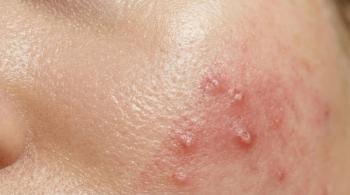
New research from China has strengthened evidence for “acne cosmetica,” finding that frequent use of facial cleansers, moisturizers, foundation, and powders—particularly those containing comedogenic ingredients—significantly increases acne risk. In a case-control study of 151 participants, powders were linked to a 3.47-fold higher risk of acne, while cleansers with lauric and stearic acids and moisturizers with glyceryl stearate were strongly associated with pore occlusion. Investigators also observed a dose-response effect, with heavier moisturizer use correlating with greater risk. The findings highlight the need for acne-prone individuals to use non-comedogenic formulations, apply products cautiously, and practice thorough cleansing to help reduce breakouts.