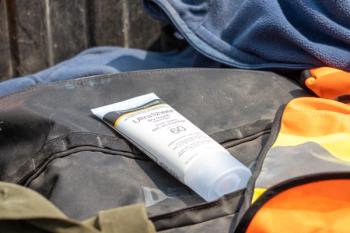
Two new Neutrogena facial sunscreens incorporate bemotrizinol, the first new sunscreen active ingredient added to the US OTC monograph in decades.
Explore the top headlines of the month, including insights on regulatory updates, expert pearls, and more.
To stay up-to-date with the latest dermatology news, sign up to receive our
Pelage Pharmaceuticals announced positive results from a phase 2a trial of PP405, a topical therapy for androgenetic alopecia, showing it is safe, well-tolerated, and biologically active. The randomized, double-blind study of 78 adults demonstrated that PP405 not only increased hair density—31% of men with significant hair loss saw over 20% improvement at 8 weeks—but also promoted new hair growth in previously bald areas, with no systemic absorption detected. Unlike current treatments that target secondary causes, PP405 works directly on hair follicle stem cells, offering potential hair regeneration. Pelage plans to begin phase 3 trials in 2026 to further evaluate the therapy.
The FDA has issued a safety alert regarding radiofrequency (RF) microneedling devices used in aesthetic dermatology, highlighting reports of serious complications including burns, scarring, subcutaneous fat loss, nerve injury, and disfigurement. While most treatments are tolerated, risks increase with operator inexperience, aggressive treatment parameters, or use in sensitive areas. The agency emphasizes that RF microneedling is a medical procedure, not a cosmetic treatment, and encourages clinicians to carefully select patients, adhere to device-specific guidelines, and report adverse events via MedWatch. Patients are advised to seek treatment from licensed, trained providers and to be aware of potential risks. The FDA is investigating causes of complications and working with manufacturers to improve safety and post-market surveillance.
The FDA has approved remibrutinib (Rhapsido; Novartis), the first oral Bruton’s tyrosine kinase inhibitor (BTKi) for adults with chronic spontaneous urticaria (CSU) who remain symptomatic despite H1-antihistamines. Remibrutinib works by selectively blocking BTK, reducing mast cell and basophil activation, and mitigating histamine release. Phase 3 REMIX-1 and REMIX-2 trials showed rapid and significant improvements in itch, hives, and urticaria activity, with one-third of patients achieving complete symptom resolution by week 12. The therapy is well tolerated, requires no lab monitoring, and offers a convenient oral alternative to injectable biologics. This approval marks the first BTKi for a non-oncologic dermatologic condition and provides a meaningful new option for patients inadequately controlled by standard antihistamines.
MoonLake Immunotherapeutics reported week 16 interim results from its phase 3 VELA-1 and VELA-2 trials evaluating sonelokimab, a nanobody targeting IL-17A/F, in adults with moderate-to-severe hidradenitis suppurativa (HS). Across both trials (n=838), sonelokimab demonstrated clinically meaningful efficacy, achieving HiSCR75 response rates of 35.4% versus 21.6% for placebo, with consistent improvements in secondary endpoints including HiSCR50, pain reduction, and quality-of-life measures. The therapy was generally well tolerated, with mostly mild-to-moderate adverse events and no new safety signals. While VELA-1 met all statistical endpoints, VELA-2 fell short under the composite analysis, partly due to a higher-than-expected placebo response. These findings suggest IL-17A/F inhibition with sonelokimab may provide a promising new treatment option for HS, though longer-term data and regulatory review are still pending.
This commentary humorously and insightfully highlights a key but often overlooked aspect of dermatology: patient reassurance, particularly for men concerned about genital skin lesions. Drawing a playful parallel to House’s iconic “It’s not Lupus,” Dobkin emphasizes the importance of demystifying genital lesions, many of which are benign and easily mistaken for genital warts. Pearly penile papules, Tyson’s glands, acrochordons, and angiokeratomas of Fordyce are common examples that frequently cause unnecessary anxiety. The piece underscores the vulnerability it takes for male patients to discuss these issues and the dermatologist’s role in normalizing the exam, providing reassurance, and fostering trust without judgment. Ultimately, it’s a witty reminder that in dermatology, even sensitive areas are just skin, and reassurance can be as therapeutically valuable as any procedure.