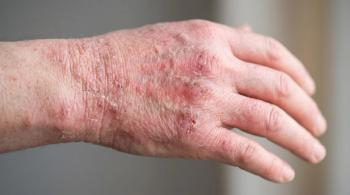
Christophe Piketty discusses 3-year ARCADIA data demonstrating sustained efficacy and long-term safety of nemolizumab in atopic dermatitis.
Along with her Fall Clinical 2026 sessions, Glynis Ablon, MD, discusses combining energy devices with PRP and exosomes, early extended release minoxidil results, and topical stem cell research.
Glynis Ablon, MD, dermatologist, associate clinical professor at UCLA, and director of the Ablon Skin Institute & Research Center in Manhattan Beach, California, reviewed regenerative approaches to skin and hair care in an interview following her
Ablon described a shift in dermatology from correcting problems to preserving skin and hair function. She called skin the most visible readout of systemic aging, inflammaging, cellular senescence, hormonal transitions such as menopause, and metabolic health.
“Dermatology really is moving from correcting patients’ problems to preserving the overall skin and hair function over time,” Ablon said.
Patients are better informed and more preventive-minded, according to Ablon. They want to be healthier versions of themselves rather than only look younger. She noted biostimulators and regenerative approaches now improve skin quality instead of only filling or tightening, and she described the scalp as a barometer of whole-body health.
Ablon identified the pairing of energy devices with regenerative treatments as the next direction for the field. She combines microneedling, radiofrequency microneedling devices, and lasers, then adds PRP or topicals such as exosomes.
“I love the idea of combining energy devices and regenerative medicine,” Ablon said.
In her experience, the devices improve delivery of regenerative products on the skin and scalp. She is also watching AI imaging and trichoscopy, which she expects to make hair assessments easier and more objective. Ablon said she is encouraged by the field’s push toward standardized, well-documented products and real clinical data.
Ablon’s recent research centers on the multifactorial nature of
“We were seeing some really good hair growth as early as 2 months with the extended release in our men’s study,” Ablon said. The women’s study is finishing now.
Ablon also commented on
For these trials, Ablon looks for substantial increases in target area hair counts and possibly changes in diameter. She wants to see follicles regenerating and growing new hair. On the stem cell work, she said she hopes the studies come to fruition and patients see excellent results.