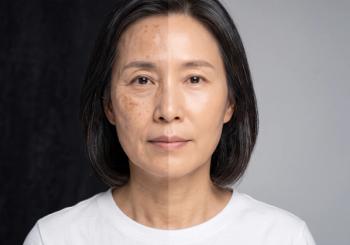
Dermatology’s growing focus on skin longevity demands clear definitions, validated outcomes, and rigorous evidence beyond anti-aging claims.
Explore the latest advancements in retinoid technology with AlphaRet, enhancing skin tolerability and efficacy for diverse patient needs.
In recognition of the second annual National Retinoid Week (September 16–21), skinbetter science is advancing the conversation on retinoid innovation with a focus on improving tolerability without compromising efficacy. Retinoids remain a cornerstone of dermatologic therapy for photoaging, dyschromia, acne, and more, but patient adherence is often hindered by irritation and sensitivity. The brand’s proprietary AlphaRet Technology features a novel combination of a retinoid and lactic acid that balances performance with skin tolerability. In the following Q&A, Deanne Mraz Robinson, MD, FAAD, co-founder of Modern Dermatology and DMR Research in Westport, Connecticut, assistant clinical professor of dermatology at Yale University of Medicine, and Dermatology Times Editorial Advisory Board member, shares common misconceptions she hears in clinic about retinoids, the science behind AlphaRet, and how these advancements are reshaping treatment paradigms for a broad range of patients.
DT: What are the most common misconceptions you hear about retinoids and how do you address these with patients?
Mraz: One of the biggest misconceptions I hear is that if your skin gets red or flaky, it means you can’t tolerate a retinoid. In reality, there’s a wide range of strengths and formulations—many with soothing ingredients—that make it possible for nearly everyone to find an option that works. The key is starting slowly, adjusting with the seasons, and giving your skin time to gradually build up to more consistent use.
DT: What is the science behind skinbetter science’s proprietary AlphaRet technology and what makes it different from traditional retinoids?
Mraz: AlphaRet is unique because it combines a retinoid with lactic acid, an alpha hydroxy acid (AHA) that is naturally found in the skin and also hydrates by attracting moisture. Traditional retinoids can be effective, but often cause irritation; AlphaRet provides exfoliation and renewal in a gentler, more balanced way.
DT: What are some of the key clinical data points that support the efficacy of AlphaRet? How does this compare to other retinoids on the market?
Mraz: Clinical studies show visible improvements in skin texture, tone, and fine lines in as little as 4 weeks. Because AlphaRet is more tolerable, patients can use it more consistently, which translates to faster, more noticeable results. Unlike stronger retinoids that require a long adjustment period, AlphaRet lets patients reap the benefits of both retinoid activity and surface exfoliation sooner.
DT: What patient profile is best suited for this technology? Are there specific skin types or conditions for which you've found this formulation to be particularly beneficial?
Mraz: I find AlphaRet particularly beneficial for patients with sensitive skin, early signs of aging, and those dealing with uneven tone or dryness. The lactic acid component not only enhances exfoliation, but also hydrates, which makes it a good option for skin that is prone to irritation, including certain cases of rosacea or psoriasis. This dual action helps improve skin barrier health while addressing texture and fine lines.
DT: Looking ahead, what do you see as the future of retinoid science and skin care? Are there any new developments or trends you are particularly excited about?
Mraz: The future is moving toward smarter formulations that maximize benefits while minimizing irritation. This includes encapsulated delivery systems, blends with soothing ingredients like niacinamide, and even plant-based alternatives (bakuchiol) that can appeal to patients looking for gentler, but still effective options.
DT: What is the most critical message you hope to convey to your dermatology colleagues about the ongoing evolution of retinoid science?
Mraz: While retinoids are celebrated for their cosmetic benefits,it’s important to remember their medical potential too. Beyond smoothing fine lines, retinoids play a role in reducing precancerous changes and even preventing certain non-melanoma skin cancers. As we refine formulations for tolerance and safety, we’re expanding both the cosmetic and medical impact of retinoids.