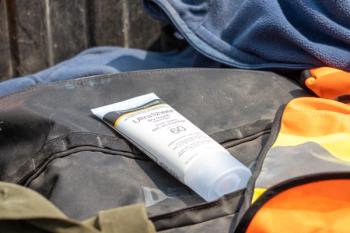
Two new Neutrogena facial sunscreens incorporate bemotrizinol, the first new sunscreen active ingredient added to the US OTC monograph in decades.
This review of the latest dermatologic studies includes a new instrument to measure QoL in pediatric alopecia, BTX-A in patients with recessive dystrophic epidermolysis bullosa, eosinophilic pustular folliculitis in children, and more.
This systematic review and single-arm meta-analysis examined the clinical characteristics and treatments of eosinophilic pustular folliculitis (EPF) in children. A comprehensive search of major medical databases through May 2025 identified 52 studies involving 136 pediatric patients. Using PRISMA guidelines and a REML random-effects model, the authors synthesized demographic, clinical, and therapeutic data. The pooled analysis showed that EPF typically presents in very young children, with a mean age of about 11 months, and occurs predominantly in males. Scalp involvement was overwhelmingly common, making it the primary site of papulopustular lesions. Although EPF is not life-threatening, its recurrent and pruritic nature can substantially affect quality of life. Treatment patterns across studies indicated that corticosteroids—particularly topical formulations such as hydrocortisone—were the most frequently used interventions.1
This case series describes the use of botulinum toxin type A (BTX-A) as an adjunctive treatment for bruxism and sweat-induced facial blistering in three patients with severe recessive dystrophic epidermolysis bullosa (RDEB). All patients had significant microstomia, preventing the use of standard treatments such as occlusal splints. In Case 1, repeated annual BTX-A injections (50–100 U) into the masseter and temporalis muscles over four years produced rapid and sustained relief of bruxism-related pain, with effects lasting up to eight months and minimal adverse events. Case 2 experienced complete remission of bruxism-associated pain after a single 50 U masseter injection. Case 3 reported improvement not only in bruxism-related pain after 100 U but also in sweat-worsened facial blistering, leading to additional facial BTX-A treatments over 2 years with marked reduction in blistering and high patient satisfaction.2
This study evaluates how caprylic acid–based hydrophobic Natural Eutectic Solvents (NES) affect the stability, rheology, and sensory properties of COSMOS-compliant cosmetic creams. Four NES—caprylic acid/lauric acid, two caprylic acid/1,3-propanediol ratios, and caprylic acid/menthol—were incorporated at 10% wt. into the oily phase of an oil-in-water emulsion. Three formulations remained physically stable over 30 days, while the menthol-based NES caused phase separation, reflected in large droplet size and high Turbiscan Stability Index. All creams showed shear-thinning behavior, with viscosity, yield stress, and viscoelasticity varying by NES composition. Sensory analysis demonstrated that NES strongly influenced odour, spreading, pick-up, colour, firmness, and skin penetration. Caprylic-rich NES improved spreading and pick-up, whereas the 1,3-propanediol–rich NES increased elasticity but reduced penetration.3
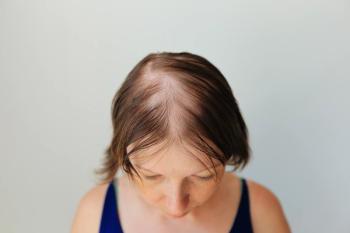
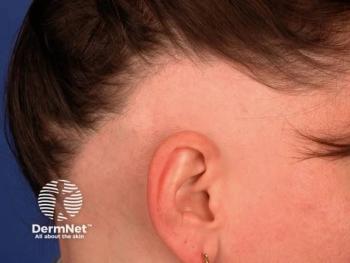
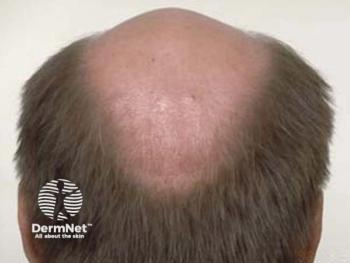
This study describes the development and validation of the Alopecia Areata Children’s Quality of Life Index (AAcQLI), a new disease-specific tool designed to assess the emotional, social, and functional impact of alopecia areata (AA) in children. Motivated by the lack of pediatric AA–specific QoL instruments, researchers created the AAcQLI through literature review, expert input, and pilot testing. Its psychometric performance was evaluated in 20 children with a median age of 9.5 years. The instrument demonstrated strong reliability, with high internal consistency (Cronbach’s α = 0.86), and excellent content validity (Content Validity Index = 1.0). Convergent validity showed fair agreement with the widely used Children’s Dermatology Life Quality Index but only slight agreement with disease severity measured by the SALT score, reflecting the complex relationship between symptoms and psychosocial burden.4
This study reports cross-sectional findings from the Global Healthcare Study on Psoriasis (GHSP), involving 1415 patients from Singapore, China, Thailand, the Philippines, and Switzerland between 2020 and 2024. Plaque psoriasis was the dominant presentation across regions, accounting for 90.5% of cases. Disease severity and quality-of-life impairment, measured by PASI and DLQI, were highest in China and the Philippines. Topical therapy was the most commonly used treatment in both Asia and Switzerland, though phototherapy was far more frequent in Switzerland and Singapore. Use of non-biologic systemic agents varied substantially, with high adoption in Switzerland, Singapore, and Thailand but much lower rates in China and the Philippines; methotrexate was the leading systemic agent except in China, where retinoids predominated. Biologic therapy showed the greatest disparity, with high uptake in Switzerland and Singapore but limited use elsewhere due to financial and access barriers.5
References
1. Mendes BX, Antunes VL Jr, Barbosa LM, et al. Clinical Features and Treatment of Eosinophilic Pustular Folliculitis in Childhood: A Systematic Review and Single-Arm Meta-Analysis. Pediatr Dermatol. Published online December 1, 2025. doi:10.1111/pde.70060
2. S Krämer, S Véliz, G Pennacchiotti, et al. Adjunctive Botulinum Toxin Type A for Bruxism and Sweat-Worsened Facial Blistering in Recessive Dystrophic Epidermolysis Bullosa: A Case Series. JEADV Clinical Practice 0 (2025): 1-5, https://doi.org/10.1002/jvc2.70249
3. Verger A, Grard R, Pradel C, et al. Cosmetic creams with caprylic acid-based Natural Eutectic Solvents: Stability, rheology and user perception. Int J Cosmet Sci. Published online December 1, 2025. doi:10.1111/ics.70051
4. Rodrigues Reis Gomes I, Pasa Morgan MA, Kalil L, Roth PV, Giraldi S, Oliveira Carvalho V. Development of the AAcQLI: A New Instrument for Assessing Quality of Life in Children With Alopecia Areata. Int J Dermatol. Published online November 28, 2025. doi:10.1111/ijd.70173
5. Goh E, Nielsen ML, Maul LV, et al. Clinical Characteristics and Treatment Patterns of Psoriasis in Asia and Switzerland: Results of the Multicentre Global Healthcare Study on Psoriasis (GHSP). Int J Dermatol. Published online November 30, 2025. doi:10.1111/ijd.70183