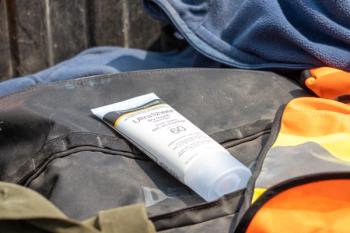
Two new Neutrogena facial sunscreens incorporate bemotrizinol, the first new sunscreen active ingredient added to the US OTC monograph in decades.
This review of the latest dermatologic studies includes a review on JAK-induced acne, a case series of atypical pediatric-onset Behçet's Disease, research on drug survival in AD, and more.
This study reviews the emerging recognition of acne as a frequent, indication-specific adverse event of the JAK1 inhibitor upadacitinib. Although generally mild, acne is common in atopic dermatitis (AD) and inflammatory bowel disease (IBD), with incidences reaching 10–16% and occasionally prompting dose modification or discontinuation, especially among younger patients. In contrast, acne is rarely reported in rheumatoid arthritis, psoriatic arthritis, or ankylosing spondylitis, likely reflecting both biological differences and the older age of these populations. Proposed mechanisms include JAK1-mediated disruption of cytokine pathways involved in epidermal repair, altered sebaceous activity, Th1/Th17-skewed inflammation, and microbial dysbiosis, alongside demographic susceptibility and detection bias. Management typically involves topical therapies, with systemic antibiotics for more severe cases; psychosocial impact often drives treatment changes more than clinical severity.1
This BioDay registry study compared 2-year real-world drug survival of biologics (dupilumab, tralokinumab) and JAK inhibitors (abrocitinib, baricitinib, upadacitinib) in 865 adults with atopic dermatitis treated between 2021 and 2024. Dupilumab was predominantly first-line, whereas JAK inhibitors were mainly used after prior targeted therapies. Kaplan–Meier analyses showed the highest drug survival for dupilumab (77% at 2 years), with lower rates for tralokinumab, abrocitinib, and baricitinib, and intermediate outcomes for upadacitinib. Ineffectiveness was the leading cause of discontinuation, followed by adverse effects, which differed by drug class (ocular disease for biologics, infections for JAK inhibitors). Multivariable Cox models confirmed superior dupilumab survival across naïve and experienced patients, except in naïve upadacitinib users, where differences were not statistically significant after correction. Introduction of alternative therapies significantly reduced dupilumab survival over time. Overall, drug survival was lower in previously biologic/JAKi-exposed patients.2
This case report describes an 18-year-old male with atypical pediatric-onset Behçet’s disease presenting with extensive venous thrombosis of the superior vena cava, left brachiocephalic vein, and dural venous sinuses. Despite lacking classic genital ulcers or ocular inflammation, the combination of recurrent oral ulcers, erythema nodosum–like lesions, acneiform eruptions, a positive pathergy test, and widespread thrombosis fulfilled the International Criteria for Behçet’s Disease. Diagnostic evaluation excluded infection, thrombophilia, and other vasculitides, while imaging confirmed severe large-vessel involvement. The patient was treated with high-dose corticosteroids, azathioprine, colchicine, and rivaroxaban, resulting in rapid clinical improvement and radiologic reduction of thrombus burden. This case highlights an aggressive vascular phenotype in adolescent-onset Behçet’s, illustrating that major venous thrombosis may precede classical features and requires early recognition.3
This letter examines how heuristics and cognitive biases contribute to diagnostic errors in emergency store-and-forward teledermatology (SFTD). As tele-emergency care expands, dermatologists increasingly rely on rapid judgments made from limited images and secondhand clinical information. The authors describe key pitfalls—including representativeness, availability, anchoring, confirmation bias, and overconfidence—that can distort probability estimates and prematurely narrow the differential diagnosis. These risks are amplified because SFTD cases are typically initiated by non-dermatologists, allowing the requester’s assumptions to anchor or bias the teledermatologist’s reasoning. Misleading cues, missing history, or fear of overlooking life-threatening disease may lead to over- or underdiagnosis. To counter these hazards, the authors propose a practical debiasing checklist encouraging awareness of disease prevalence, careful weighting of information, active consideration of alternatives, and deliberate search for disconfirming evidence.4
This retrospective study analyzed minimal erythema dose (MED) data from 378 Asian patients with vitiligo treated with 308-nm excimer laser therapy to determine anatomical and patient-specific variations. MED values were significantly higher in lesional than normal skin and varied markedly by body site, increasing from face to trunk, neck, scalp, limbs, and peaking in acral regions, where MEDs were more than threefold higher. Facial subregions also differed: mucosa-associated periorbital and perioral areas showed 15%–25% lower MEDs than other areas. Skin phototype, age, and season independently correlated with MED, whereas sex, family history, and lesion size did not. Acral regions demonstrated the greatest variability, while mucosal areas were most UV-sensitive. The authors propose site-specific and skin type–adjusted dosing guidelines to improve safety and efficiency, emphasizing tailored starting doses, seasonal modification, and careful monitoring of sensitive regions.5
References
1. Lin KJ, Tang YS, Lee YT, Hung CH. Janus Kinase Inhibitor-Induced Acne: An Indication-Specific Adverse Event of JAK1 Inhibition. Int J Rheum Dis. 2025;28(12):e70492. doi:10.1111/1756-185x.70492
2. van der Gang LF, Boesjes CM, Zuithoff NPA, et al. Drug Survival in Atopic Dermatitis: Comparison of Biologics and JAK Inhibitors in the BioDay Registry. Allergy. Published online December 9, 2025. doi:10.1111/all.70187
3. Ullah U, Mari T, Ullah Mian U, et al. Atypical Pediatric-Onset Behçet's Disease Presenting With Superior Vena Cava Thrombosis in an Adolescent Male: A Case Report. Clin Case Rep. 2025;13(12):e71616. Published 2025 Dec 5. doi:10.1002/ccr3.71616
4. Skayem C, Duong TA. Heuristics, biases, and cognitive pitfalls of emergency teledermatology: Navigating the fine line between making and avoiding diagnostic errors. J Dtsch Dermatol Ges. Published online December 9, 2025. doi:10.1111/ddg.16003
5. Wu J, Wang J, Chen M, et al. Variations in Minimal Erythema Dose of 308-nm Excimer Laser Therapy Across Anatomical Sites in Asian Patients With Vitiligo, Dermatologic Therapy, 2025, 2174848, 4 pages, 2025. https://doi.org/10.1155/dth/2174848