Put your dermatology expertise to the test with Dermatology Times’ interactive quiz series.
This review of the latest dermatologic studies includes a case study of coexisting alopecia and BP treatment, hypochlorous acid for epidermolysis bullosa wounds, DMG-Na and caffeine for hair loss, and more.
JEADV Clinical Practice:
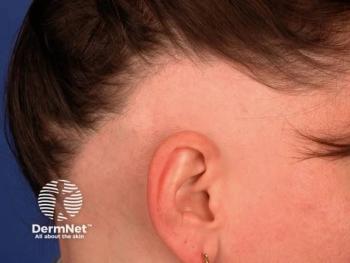
This case report describes a 71-year-old woman with concurrent alopecia areata (AA) and bullous pemphigoid (BP), two autoimmune conditions traditionally associated with distinct immune pathways. Despite multiple treatments, including corticosteroids and topical agents, the patient remained refractory. Initiation of dupilumab—a monoclonal antibody targeting IL-4Rα that blocks IL-4 and IL-13 signaling—led to dramatic improvement: her scalp hair regrew (SALT score improved from ~80 to ~5), BP lesions resolved, and nail dystrophy improved. After one year on dupilumab, she remained symptom-free and successfully discontinued therapy without relapse.1
Experimental Dermatology:
This pilot study evaluated the effects of a hypochlorous acid-based acid-oxidising solution (APR-TD011) on chronic wounds in 15 patients with epidermolysis bullosa (EB), a rare genetic skin disorder prone to Staphylococcus aureus (SA) infection. Over 8 weeks of daily application, SA relative abundance significantly decreased from 34% at baseline to 10% (p < 0.01), including reductions in methicillin-resistant strains. This decline persisted four weeks post-treatment. Concurrently, microbial diversity in the wounds increased, and wound size reduced by 63%. Younger patients showed greater SA reduction, and treatment was well-tolerated with minimal adverse effects and high satisfaction. Full-length 16S rRNA sequencing revealed a shift from pathogenic to commensal species during treatment.2
Journal of Cosmetic Dermatology:
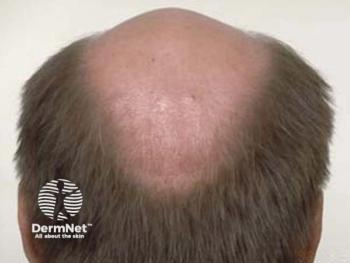
A 24-week, double-blind, randomized, placebo-controlled trial evaluated the efficacy of a topical shampoo containing dimethylglycine sodium salt (DMG-Na) and caffeine in men with male pattern hair loss. A total of 154 men were enrolled, with participants using the shampoo daily. The primary endpoint—reduction in hair loss measured by hair pull test—showed a significant improvement in the treatment group versus placebo (−2.8 vs. 0.6 hairs, p < 0.001). A subgroup of 30 men underwent phototrichogram analysis, which revealed increases in total hair count, hair density, and percentage of anagen-phase hairs, alongside a reduction in telogen-phase hairs (p < 0.001). Subjective assessments also favored the active shampoo, with participants noting fuller, thicker hair and reduced shedding. No adverse effects were reported.3
Australasian Journal of Dermatology:
Lactation presents unique physical and psychological challenges for breastfeeding mothers, with breast and nipple dermatoses being a common but under-recognized complication. This comprehensive review outlines the major dermatological conditions affecting lactating women, including eczema, psoriasis, mastitis, mammary Paget’s disease, Raynaud’s phenomenon, and infections like candidiasis and herpes simplex. These conditions may be exacerbated by breastfeeding-related trauma, moisture, and allergens from hygiene or nursing products. Accurate diagnosis requires careful clinical assessment and, where necessary, investigations such as patch testing, swabs, or biopsies. Management must consider not only maternal health but also infant safety, particularly when prescribing topical or systemic treatments. Medication exposure through breastmilk or direct contact poses a risk, and guidelines recommend strategies like post-feed application and nipple cleansing to minimize infant ingestion. Limited trial data in lactating women necessitate cautious, individualized care.4
Journal of Cosmetic Dermatology:
This randomized, double-blind, split-face clinical trial evaluated the efficacy, safety, and durability of combining onabotulinumtoxinA (Botox) with Juvederm Volite VYC-12 (Skinvive) in treating moderate to severe periorbital wrinkles (crow’s feet). Twenty-five women received Botox injections bilaterally, with one side of the face also receiving VYC-12 and the other a placebo injection. While electromyography (EMG) activity showed no differences between treatments, the combined BTX + VYC-12 treatment significantly reduced wrinkle severity at 3 and 6 months in both rest and contracted positions. Patient satisfaction was also notably higher for the combined treatment at these time points. No adverse events were reported.5
References
1. Brinks, A., Needle, C., Kearney, C., et al. (2025), Successful Treatment of Coexisting Alopecia Areata and Bullous Pemphigoid With Dupilumab: A Case Report. JEADV Clinical Practice.
2. Zhou XA, Burns MB, Ren Z, et al. An Acid-Oxidising Solution Containing Hypochlorous Acid Reduces Staphylococcus aureus and Improves Bacterial Diversity in Epidermolysis Bullosa Wounds. Exp Dermatol. 2025;34(8):e70147. doi:10.1111/exd.70147
3. Celleno L, Bussoletti C, Tolaini MV, et al. A Novel Approach Against Male Pattern Hair Loss With Topical Dimethylglycine Sodium Salt (DMG-Na) and Caffeine: Efficacy of a 24-Week, Double-Blind, Randomized, Placebo-Controlled Trial. J Cosmet Dermatol. 2025;24(8):e70390. doi:10.1111/jocd.70390
4. Moore H, Stevenson A. Breast and Nipple Dermatoses During Lactation. Australas J Dermatol. Published online August 15, 2025. doi:10.1111/ajd.14586
5. Neves MLBB, Thome C, da Silva Junior SV, et al. Efficacy and Durability of the Association of Botox and Skinvive in the Treatment of Moderate/Severe Wrinkles in the Periorbital Region: A Randomized, Controlled, Double-Blind, Split-Face Clinical Study. J Cosmet Dermatol. 2025;24(8):e70403. doi:10.1111/jocd.70403