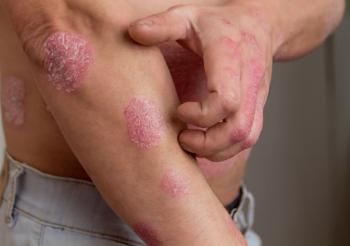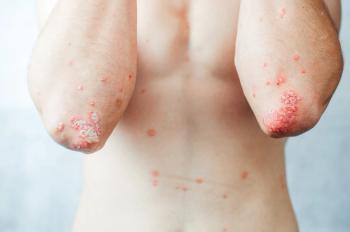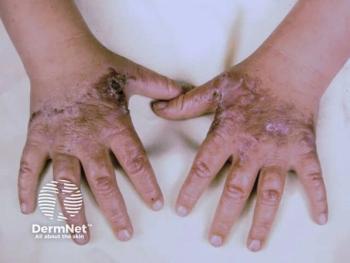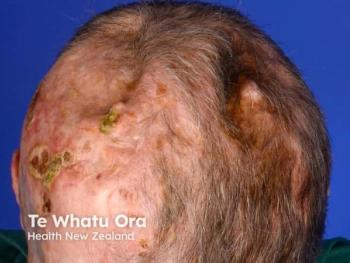
Takeda’s investigational oral TYK2 inhibitor is supported by phase 3 LATITUDE data demonstrating significant skin clearance versus placebo and apremilast.
Discover the latest IPC consensus on psoriasis severity reclassification, enhancing treatment strategies for better patient outcomes and quality of life.
For decades, psoriasis severity has been categorized into mild, moderate, and severe using objective markers such as BSA, Psoriasis Area and Severity Index (PASI), and Physician’s Global Assessment (PGA). Yet these numerical boundaries often fail to capture the functional and psychosocial burden experienced by patients with low-BSA disease involving high-impact sites such as the scalp, face, genitalia, palms, soles, or nails.
To address this gap, the IPC convened a global Delphi consensus, culminating in its landmark 2020 publication “Recategorization of Psoriasis Severity.”1 The expert panel proposed abandoning the 3-tiered system in favor of a pragmatic dichotomy:
This reclassification emphasizes clinical judgment and disease impact rather than rigid numerical thresholds, aligning therapeutic decisions with patient quality of life. It also harmonizes with contemporary concepts of treat-to-target medicine, where achieving clear or nearly clear skin represents optimal control.
A 2025 IPC update, “International Psoriasis Council Psoriasis Disease Severity Reclassification: Update on Validity, Acceptance, and Implementation,” confirmed widespread adoption of this binary severity model across dermatology societies and national guidelines.2
Analyses of large datasets, including the US CorEvitas registry and the international UPLIFT survey, revealed that nearly half of patients initiating systemic therapy had BSA ≤ 10%, yet exhibited significant disease impact due to high-impact site involvement or prior topical failure. These real-world findings validate that the IPC criteria more accurately reflect clinical burden than traditional PASI or BSA cutoffs.
Additionally, the new classification has influenced clinical trial design: emerging studies increasingly enroll patients with low BSA but substantial quality-of-life impairment, expanding access to advanced therapeutics for historically undertreated groups.
Importantly, the IPC cautioned against “topical churn”—prolonged cycling of topical corticosteroids in patients unlikely to achieve meaningful control—emphasizing timely escalation to systemic or phototherapy options.
The most recent 2025 IPC publication, “Establishing Consensus on Defining Failure of Topical Therapy in Psoriasis,” directly addresses one of the most persistent gray areas in practice: determining when topicals are no longer sufficient.3
The IPC’s Disease Severity Working Group recommends defining topical therapy failure as the inability to achieve clear or nearly clear skin (BSA ≤ 1%, PGA 0 or 1) after 2 consecutive 4-week topical treatment courses. This definition integrates outcome-based precision with pragmatic timelines that fit real-world clinical workflows.
If patients fail to meet this target, clinicians should strongly consider phototherapy or systemic treatment. Potent corticosteroids should not be used continuously for more than 4 weeks, and super-potent agents should be limited to 2 to 4 weeks to minimize risk of tachyphylaxis and adverse effects.
National guideline comparisons in this report revealed broad acknowledgment of topical failure as a treatment-escalation trigger, but few provided specific timeframes,making the IPC’s recommendation a significant advance toward global standardization.
As associate professor of dermatology at the Yale School of Medicine and editor in chief of Dermatology Times, Christopher Bunick, MD, PhD, observed:
“The IPC has importantly provided dermatologists clear consensus guidance on how to define topical therapy failure in psoriasis. This is critical for helping clinicians elevate patient standard of care and know when to utilize advanced systemic therapies rather than cycle through ineffective topicals, especially chronic corticosteroids. The goal is to achieve clear/nearly clear skin (BSA ≤ 1%, PGA 0 or 1) within a maximum timeframe of two consecutive 4-week topical therapy courses. If not achieved, strong consideration should be made for advanced systemic therapy.”
The IPC’s evolving consensus provides a clear path toward earlier, more effective intervention. For practicing dermatologists, these recommendations mean:
Ultimately, the IPC’s guidance reframes psoriasis management around disease control, patient quality of life, and timely escalation. By defining topical therapy failure objectively and globally, dermatologists can more confidently pursue advanced systemic therapies when indicated—ensuring patients achieve durable, meaningful remission.
References