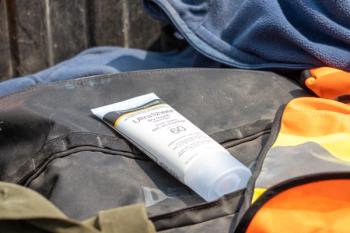
Two new Neutrogena facial sunscreens incorporate bemotrizinol, the first new sunscreen active ingredient added to the US OTC monograph in decades.
Sofia Wenzler, PhD, highlights the vital role dermatologists play in treating body-focused repetitive behaviors like skin picking and hair pulling.
Wenzler discusses how dermatologists can play a pivotal role in the early recognition and treatment of BFRBs. Common skin manifestations include lesions, scarring, infections, and delayed wound healing, which can often be misunderstood or misattributed without probing into behavioral causes. She notes that when dermatologists are informed, empathetic, and aware of these conditions, they can help reframe the patient's relationship with their skin and encourage motivation for healing—both physically and emotionally.
“I feel like there's more and more dermatologists who actually know about skin picking and find helpful ways to support their patients, and that usually means that they are informed, that they educated themselves on skin picking disorders, and that they managed to make their clients feel safe,” Wenzler commented.
Drawing on experiences from thousands of program users, Wenzler described the contrasting experiences patients have had with dermatologists. Negative encounters often involve clinicians dismissing the behavior with simplistic advice such as “just stop picking,” or offering pharmacological solutions without addressing the underlying behavior. In contrast, positive experiences occur when dermatologists approach the condition with empathy, normalize the behavior as a recognized disorder, and communicate a non-judgmental understanding.
Wenzler offered actionable advice for dermatologists: utilize protective skin barriers such as hydrocolloid patches or soothing emollients to support both skin recovery and behavior interruption. Importantly, she encouraged dermatologists to develop referral pathways to psychologists or therapists experienced in BFRBs. In many cases, dermatologists may be the first to recognize the disorder, making their role in patient education and multidisciplinary collaboration vital.
Overall, Wenzler advocates for a compassionate, informed, and integrated approach to care, where dermatologists are empowered to be allies in both the physical and psychological recovery of patients with BFRBs.