

News|Articles|February 6, 2025
Glynis Ablon, MD, on Getting Involved in Clinical Trials
Key Takeaways
- Clinical trials provide access to novel therapies for non-responsive or difficult cases, enhancing patient care.
- Involvement in clinical trials keeps practices at the cutting edge of new treatment opportunities.
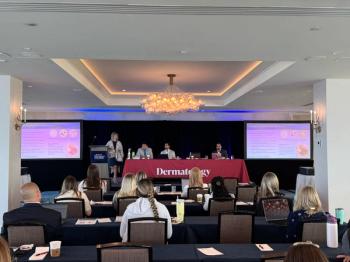
Ablon covered all aspects of getting involved in clinical research, such as budgeting, recruiting, and analyzing data.
Advertisement
At the
“When you get involved in clinical trials, there are many different aspects that make it a big deal to your own practice,” Ablon said in an interview with Dermatology Times. “Research is at the forefront of new discoveries in drugs and technologies. Running these clinical trials can really provide many of your patient who are difficult or non-responsive to other procedures or treatments these novel therapies, novel treatments, that can actually work for them.”
Ablon noted that, although helpful for non-responsive or difficult cases, being involved in clinical trials is also a great experience for clinicians. “It allows your practice to be on the cutting edge of new treatment opportunities,” she said. “It integrates naturally into most of our practices. Clinical trials really can augment your own dermatology practice with that research arm being an extension of your normal care as a physician.”
Although she covered the excitement of being involved in clinical trials, Ablon also noted some pitfalls and difficulties clinicians could run into when running clinical trials. Even with these in mind, Ablon still finds the process insightful and educational.“There’s a lot involved. It’s all very exciting, and makes everything exciting every day,” Ablon concluded.
Dermatology Times staff is onsite at the Loews Miami Beach Hotel for South Beach Symposium 2025. Subscribe to our
To read and listen to more of our conference coverage, click
Click
Advertisement
Related Content
Advertisement
Latest CME


Advertisement
Advertisement
Trending on Dermatology Times
1
How Emerging Androgenetic Alopecia Therapies Target DHT at the Scalp Level
2
Social Media Mythbusters: Beef Tallow
3
Dermatology Times Inaugural NP/PA Connect Cutaneous Oncology Workshop Kicks Off in Tampa
4
25 Years Later: Remembering September 11 Through the Lens of Dermatologic and Burn Care
5