Can “Botox in a bottle” really rival injectable neuromodulators? We examine the evidence behind topical peptide serums and Argireline.
Darker skin tones face higher risks of photosensitivity and thermal burns during dual-wavelength laser therapy, highlighting the need for tailored treatment approaches.
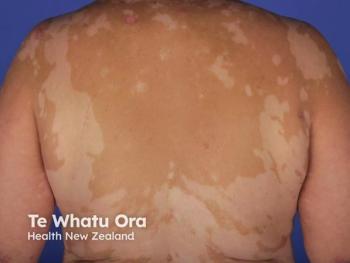
A recent study aimed to assess the association between self-reported skin color and the incidence of photosensitivity episodes in patients being treated with laser therapy.1 In darker skin tones, the frequency and risk of photosensitivity and thermal burning were increased with the use of dual-wavelength devices.
Background
Photobiomodulation therapy (PBMT) with low-level laser devices is widely used in medical, dermatological, and dental settings to promote tissue healing and reduce inflammation, with the advantage of avoiding thermal damage. However, when dual-wavelength protocols using both red (660 nm) and near-infrared (808 nm) lasers are applied, particularly at higher irradiances, there is concern that melanin in darker skin may absorb more energy.2 This could potentially increase local temperature and risk of photosensitivity.
Methods & Materials
This retrospective cohort study reviewed clinical records of 173 patients (114 women, 49 men) treated with dual-wavelength laser devices between 2013 and 2023 at the University of São Paulo’s School of Dentistry Special Laser Laboratory. Ages ranged from 8 to 76 years with a mean age of 40.3. Treated conditions included facial paralysis (n = 21) and paresthesia (n = 152). Participants were categorized into two groups based on self-reported skin color and demographics: Group 1 (lighter skin: white and Asian) and Group 2 (darker skin: Black, mixed-race, and Indigenous). Of the total patients, 129 were in Group 1 and 44 were in Group 2.
All included patients underwent simultaneous irradiation with red (660 nm) and infrared (808 nm) wavelengths from the same device. Each had an emission power of 100 mW per beam along with a 0.028 cm² spot size and irradiance of 3.57 W/cm². Photosensitivity was classified as grade 0 (no symptoms), grade I (heating sensation), or grade II (burns). Statistical analyses assessed the connection between photosensitivity, skin color, patient characteristics, and delivered energy.
Results
The findings confirm that self-reported darker skin is a significant risk factor for photosensitivity during dual-wavelength laser treatment, likely due to increased melanin absorption and resultant thermal effects. Among the patients, 25 experienced photosensitivity episodes (20 grade I, 5 grade II). Patients with darker skin (Group 2) had a significantly higher risk of photosensitivity. More specifically, this risk was approximately three times greater than in Group 1 (p < 0.001). Logistic regression confirmed that darker-skinned individuals had a fourfold increase in odds of photosensitivity (p = 0.002).
When focusing on more severe reactions, the association was even more pronounced. Group 2 had nearly 13 times the odds of experiencing grade II burns and clinically visible thermal injuries compared to Group 1 (p = 0.024). No significant associations were found between photosensitivity and age, sex, or medication use. However, it is worth noting that 2 patients in Group were using Sertraline, which has proven to be photosensitive in prior research.3 Additionally, the maximum energy used did not correlate with photosensitivity severity, though Group 2 received slightly higher median energy doses (4.0 J vs. 3.0 J in Group 1).
Conclusion
Even with limitations such as the self-reported data, this study demonstrates a strong association between darker skin color and the risk of photosensitivity and thermal burns during dual-wavelength low-level laser therapy. With this research, the authors stress the need for individualized PBMT protocols and skin pigmentation assessments from clinicians and device manufacturers. Patients with darker skin tones may need to be treated with reduced output power or turn to single-wavelength devices instead. The investigators also advise further research to confirm their hypothesis and investigate the mechanisms underlying the relation between melanin and irradiance.
“We assume that the intersection created by the scattering of the two side-by-side beams may lead to an overlapping energy area, resulting in a higher dose than that emitted by each independent beam,” the authors wrote. “Our hypothesis is that this could significantly increase the local temperature, which may be even more exacerbated by a higher concentration of melanin.”
References
1. de Brito CBT, Calarga CC, Lima FS, Freitas PM, Simões A. Photosensitivity Episodes Related to Skin Color in People Treated With Dual-Wavelength Low Power Laser Therapy: A Retrospective Cohort Study. Photodermatol Photoimmunol Photomed. 2025;41(5):e70042. doi:10.1111/phpp.70042
2. Joensen J, Demmink JH, Johnson MI, Iversen VV, Lopes-Martins RÁ, Bjordal JM. The thermal effects of therapeutic lasers with 810 and 904 nm wavelengths on human skin. Photomed Laser Surg. 2011;29(3):145-153. doi:10.1089/pho.2010.2793
3. Kowalska J, Rok J, Rzepka Z, Wrześniok D. Drug-Induced Photosensitivity-From Light and Chemistry to Biological Reactions and Clinical Symptoms. Pharmaceuticals (Basel). 2021;14(8):723. Published 2021 Jul 26. doi:10.3390/ph14080723