


News|Articles|October 22, 2025
Brownstone Highlights Advances in Psoriasis, CSU, and More at Fall Clinical 2025
Listen
0:00 / 0:00
Key Takeaways
- Oral IL-23 inhibitor icotrokinra and BTK inhibitor remibrutinib represent significant advancements in systemic therapy for psoriasis and chronic spontaneous urticaria, respectively.
- Indolent systemic mastocytosis will be highlighted, emphasizing dermatologists' crucial role in diagnosis and multidisciplinary coordination.
Fall Clinical 2025 continues its tradition of blending cutting-edge science with practical insights for the modern dermatologist.
Advertisement
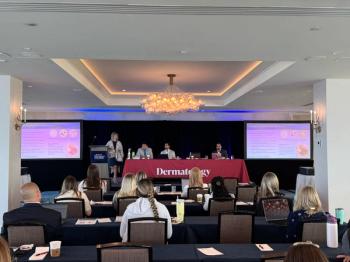
As the field of dermatology continues to evolve rapidly, Fall Clinical Dermatology 2025 promises to deliver a robust blend of late-breaking science, clinical pearls, and practical updates for daily practice. Founded more than 2 decades ago, the Fall Clinical meeting has become a cornerstone event in the dermatologic calendar — known for its collegial environment, emphasis on real-world management, and early insights into the next generation of dermatologic therapeutics.
In a recent interview with Dermatology Times, Nicholas Brownstone, MD, a prominent clinical dermatologist and educator, offered a preview of the sessions and innovations he is most eager to explore at this year’s conference. His comments highlight both the pace of therapeutic innovation and the conference’s reputation for translating research into practice.
New Frontiers in Systemic Therapy
Among the topics at the top of Brownstone’s list is the growing data on Johnson & Johnson’s oral IL-23 inhibitor, icotrokinra. The investigational therapy is positioned to become the first oral IL-23 inhibitor for psoriasis, offering a novel option for patients seeking systemic efficacy without injections. While biologic IL-23 inhibitors such as guselkumab and risankizumab have reshaped psoriasis care, an oral formulation could further improve accessibility and adherence.1 Brownstone noted that he is “definitely looking forward to hearing more data about” the drug’s performance and safety profile at the meeting.
He also highlighted Novartis’ BTK inhibitor remibrutinib, newly approved for chronic spontaneous urticaria (CSU). The agent represents the first in its class for this indication, targeting the intracellular B-cell signaling pathway implicated in mast-cell activation.2 Brownstone’s interest reflects the broader excitement around oral, targeted agents that may provide durable relief for antihistamine-refractory urticaria, while potentially reducing the need for injectable biologics such as omalizumab.
Rare Disease Spotlight
Beyond high-profile drug launches, Brownstone expressed particular enthusiasm for a seminar-in-depth on indolent systemic mastocytosis, led by Matthew Gianetti, MD, and Lauren Mannett, MD. He described it as an “exciting seminar” addressing a topic “not often discussed in dermatology.”
Mastocytosis, a disorder characterized by mast-cell proliferation and mediator release, often first presents with cutaneous signs such as urticaria pigmentosa, flushing, and pruritus.3 Because dermatologists are often the first clinicians to recognize these manifestations, Brownstone underscored their pivotal role in diagnosis and multidisciplinary coordination. “The dermatologist may be the frontline person to diagnose it,” he observed, emphasizing that practitioners may serve as “quarterback” in guiding hematologic and systemic evaluation.
Practice Innovation and Editorial Leadership
Brownstone’s own contributions at Fall Clinical 2025 include his session “What’s New in Skin and What’s New in the Dermatology Online Journal (DOJ)”, where he will review notable publications from the past year and introduce major updates to the journal.
Among the most significant announcements: April Armstrong, MD, MPH, FAAD, of UCLA has been named the new editor-in-chief of the DOJ, with Brownstone assuming the role of deputy editor. Longtime editor Dr. Barbara Burrall, MD, who served for 2 decades, passes the leadership baton to this new team. Brownstone emphasized that the journal is entering a period of revitalization aimed at “better serving the dermatology community” through updated sections, streamlined author guidance, and expanded digital reach.
Looking Ahead
Brownstone’s preview captures the essence of what has made Fall Clinical Dermatology a must-attend event: a dynamic mix of cutting-edge science, under-recognized disease education, and collegial collaboration. With advances such as oral IL-23 and BTK inhibitors redefining systemic treatment, renewed editorial leadership guiding scholarly dissemination, and increased attention to rare yet significant disorders like mastocytosis, the 2025 meeting exemplifies dermatology’s forward momentum.
As Brownstone summed up, “It’s the best meeting for networking and for rapid, timely, clinically relevant information.”
References
- Gold LS, Armstrong AW, Bissonnette R, et al. Once-daily oral icotrokinra versus placebo and once-daily oral deucravacitinib in participants with moderate-to-severe plaque psoriasis (ICONIC-ADVANCE 1 & 2): two phase 3, randomised, placebo-controlled and active-comparator-controlled trials. Lancet. 2025;406(10510):1363-1374. doi:10.1016/S0140-6736(25)01576-4
- Metz M, Giménez-Arnau A, Hide M, et al. Remibrutinib in chronic spontaneous urticaria. N Engl J Med. 2025;392(10):984-994. doi:10.1056/NEJMoa2408792
- Vano-Galvan S, De la Hoz B, Nuñez R, Jaen P. Indolent systemic mastocytosis. Isr Med Assoc J. 2010;12(3):185-187.
Advertisement
Related Content
Advertisement



Latest CME


Advertisement
Advertisement
Trending on Dermatology Times
1
How Emerging Androgenetic Alopecia Therapies Target DHT at the Scalp Level
2
Social Media Mythbusters: Beef Tallow
3
Dermatology Times Inaugural NP/PA Connect Cutaneous Oncology Workshop Kicks Off in Tampa
4
25 Years Later: Remembering September 11 Through the Lens of Dermatologic and Burn Care
5