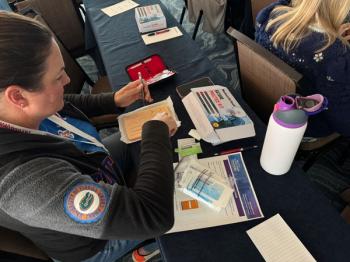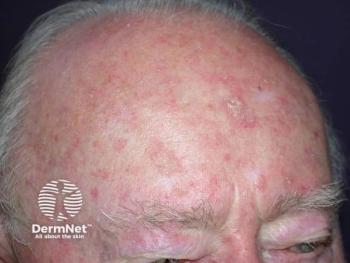
Maui Derm NP+PA Fall 2026 brought APPs together for updates spanning inflammatory disease, oncology, emerging therapies, and diagnostic challenges.
At Elevate-Derm, Justin Love, PA-C, urged clinicians to pair diagnostic expertise with emotional intelligence and thoughtful investigation.
Although advances in biologics and targeted therapies continue to reshape dermatology, Justin Love, PA-C, believes some of the specialty's most valuable skills are not found in a prescribing guide.
Speaking at the Elevate-Derm Summer Conference, Love, a physician assistant at Loma Linda University Health, encouraged dermatology clinicians to remain clinically curious, make time for challenging patient conversations, and cultivate the interpersonal skills that strengthen patient care alongside medical expertise.
"The biggest takeaway is to keep an open mind," Love told Dermatology Times in an exclusive interview at the conference. Although his session covered practical treatment pearls and clinical techniques, he emphasized that managing complex dermatologic disease also requires navigating difficult conversations and understanding the emotional realities patients bring into the exam room.
Make Space for Complex Patients
Busy schedules often make extended visits difficult, but Love argued that clinicians should intentionally create room for patients with diagnostically or emotionally challenging presentations.
"When it comes to very difficult patients or difficult diagnosis, my pearl would be to always be available," he told Dermaytology Times.
Rather than trying to resolve every complex issue within a standard appointment slot, Love recommended bringing patients back for dedicated follow-up discussions when necessary. Those conversations, he noted, are often where clinicians can best explain uncertainty, discuss next steps, and build trust.
"Not everything is easy, but that's what medicine calls for sometimes," he said.
Look Beyond the Skin
Love also highlighted cases that reinforce dermatology's role in identifying systemic disease.
In one patient, a young woman presented with pruritic papules on her arms, he said. Biopsy findings revealed features reminiscent of endometrial tissue, prompting further investigation into an underlying internal process.
The case serves as a reminder that cutaneous findings may be the first manifestation of disease occurring elsewhere in the body, he told Dermatology Times.
With that in mind, Love pointed to generalized pruritus as another common presentation that warrants broader thinking. Although itch is frequently encountered in dermatology, clinicians should remember it may signal systemic disease, including hepatobiliary or renal disorders.
"People come in super itchy. They don't know why they're itchy," Love said. "Itch itself is a huge diagnosis in which we kind of have to rule out all of these other processes that can happen."
Emotional Intelligence Is a Clinical Skill
For Love, effective dermatologic practice extends beyond mastering pathology and pharmacology.
He encouraged clinicians—particularly early-career advanced practice providers (APPs)—to intentionally develop communication skills and emotional intelligence alongside scientific knowledge.
"Develop your interpersonal communications," he said. "Have that aspect of intelligence outside of the medicine, outside of the science."
While educational programs understandably prioritize board preparation and clinical knowledge, Love believes communication skills often receive less attention despite their central role in patient care.
Team-Based Care Improves Access
Love also addressed the evolving role of physician assistants and nurse practitioners within dermatology.
Rather than viewing responsibilities through rigid professional boundaries, he advocated for collaborative practice models focused on expanding patient access to care.
"We collaborate for a reason," he told Dermatology Times. "It's all about just patients getting access to care."
Although complex cases still require physician expertise, Love emphasized that dermatology functions best when physicians and APPs share responsibility according to their strengths. "Medicine is like a team sport," he said.
Looking Ahead: Can Earlier Treatment Change the Course of Disease?
Among emerging trends, Love said he is particularly interested in the possibility of disease modification.
With increasingly effective biologics and small-molecule therapies available for inflammatory skin diseases, he hopes future research will determine whether treating patients earlier in the disease course can alter long-term outcomes rather than simply control symptoms.
"I think that's what I'm probably most excited to see," Love said, referring to the potential for early intervention to improve patients' long-term health and reduce the chronic burden of inflammatory disease.