LEO Pharma has closed its acquisition of dersimelagon from Tanabe Pharma after the FDA accepted the drug's NDA for filing and granted Priority Review, with a PDUFA date expected by the end of February 2027.
Chronic hand eczema (CHE), or hand eczema that lasts for more than three months or relapses twice or more within a year1, is one of the most common skin diseases, affecting about one in ten adults worldwide.2,3,4
Although CHE bears similarities to atopic dermatitis (AD), CHE is a distinct heterogeneous disease encompassing multiple subtypes, including irritant contact dermatitis, allergic contact dermatitis, and atopic hand eczema.1,5
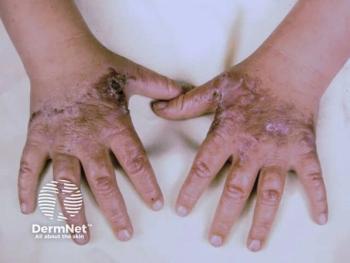
CHE is characterized by pain and itch, erythema, scaling, lichenification, hyperkeratosis, vesicles, edema, and fissures on hands and wrists.1
“As a dermatologist, I’ve seen firsthand how chronic hand eczema can be a burden on patients’ lives,” said Dr. Linda Stein Gold, director of clinical research at Henry Ford Health. “It’s not just dry hands, it’s a debilitating skin disease that is painful, itchy and unsightly.”
Patients with moderate-to-severe CHE frequently experience inadequate responses to traditional CHE treatments (for example topical corticosteroids), necessitating alternative therapies.1,5
ANZUPGO® (delgocitinib) cream is the first and only FDA-approved treatment for adults living with moderate-to-severe CHE.6 ANZUPGO is a Janus kinase (JAK) inhibitor indicated for the topical treatment of moderate to severe chronic hand eczema (CHE) in adults who have had an inadequate response to, or for whom topical corticosteroids are not advisable.
ANZUPGO, a topical Janus kinase (JAK) inhibitor, inhibits the activity of JAK1, JAK2, JAK3, and tyrosine kinase 2 (TYK2). JAK signaling involves recruitment of signal transducers and activators of transcription (STATs) to cytokine receptors, and activation and subsequent localization of STATs to the nucleus, leading to the expression of cytokine-responsive genes to induce specific biological responses in target cells. The exact mechanism of action of delgocitinib in the treatment of moderate to severe CHE is currently not known.6
This broad-spectrum inhibition is particularly relevant for CHE, which involves complex immune dysregulation across various subtypes. The mechanism of ANZUPGO allows it to help address the multifactorial nature of the disease.3,5,6
The FDA approval of ANZUPGO was based on robust data from two pivotal phase 3 trials — DELTA-1 and DELTA-2 — which enrolled a total of 960 adult patients with moderate-to- severe CHE. Both studies were randomized, double-blind, and vehicle-controlled, assessing the safety and efficacy of ANZUPGO cream over a 16-week period. The primary endpoint was the Investigator’s Global Assessment for CHE Treatment Success (IGA-CHE TS), defined as a score of 0 (clear) or 1 (almost clear) with at least a 2-point improvement from baseline. 2,6
In DELTA 1, 20% of patients treated with ANZUPGO achieved IGA-CHE TS versus 10% with cream vehicle (p=0.006). In DELTA 2, 29% of ANZUPGO-treated patients achieved IGA-CHE TS compared to 7% for cream vehicle (p<0.0001).2,6
These results were statistically significant and visible skin improvement was seen in a substantial proportion of patients. 2,6
Using the Hand Eczema Symptom Diary (HESD) to measure the severity of itch (n=949) and pain (n=875) in CHE patients,6 at Week 16, 49% of patients treated with ANZUPGO in DELTA 1 and 49% in DELTA 2 achieved a ≥4-point reduction in HESD pain score, compared to 28% and 23% in the cream vehicle groups (p<0.0001). Further, at Week 16, 47% of patients treated with ANZUPGO in DELTA 1 and 47% in DELTA 2 achieved a ≥4-point reduction in HESD itch score, compared to 23% and 20% in the cream vehicle groups (p<0.0001).2,6
Adverse reactions that were reported in ≤ 1% of subjects in the ANZUPGO group were pain, paresthesia, pruritus, erythema, and bacterial skin infections, including finger cellulitis, paronychia, other skin infections, leukopenia, and neutropenia.6
“We now have a topical treatment that is specifically made for moderate-to-severe CHE,” said Dr. Linda Stein Gold, director of clinical research at Henry Ford Health. “ANZUPGO gives dermatologists a targeted option to treat patients who live with this condition.”
INDICATION AND IMPORTANT SAFETY INFORMATION
ANZUPGO is indicated for the topical treatment of moderate to severe chronic hand eczema (CHE) in adults who have had an inadequate response to, or for whom topical corticosteroids are not advisable.
Limitations of Use: Use of ANZUPGO in combination with other JAK inhibitors or potent immunosuppressants is not recommended.
Serious Infections
ANZUPGO may increase the risk of infections. Eczema herpeticum was observed in a subject treated with ANZUPGO. Serious and sometimes fatal infections have been reported in patients receiving oral or topical JAK inhibitors. Avoid use of ANZUPGO in patients with an active or serious infection. Consider the risks and benefits of treatment prior to initiating ANZUPGO in patients with chronic or recurrent infection, who have been exposed to tuberculosis, with a history of a serious or an opportunistic infection, or with underlying conditions that may predispose them to infection.
Closely monitor patients for the development of signs and symptoms of infection during and after treatment with ANZUPGO. Interrupt treatment with ANZUPGO if a patient develops a serious infection. Do not resume ANZUPGO until the infection resolves or is adequately treated.
Viral reactivation, including cases of herpes virus reactivation (e.g., herpes zoster), were reported in clinical trials with ANZUPGO. If a patient develops herpes zoster, consider interrupting ANZUPGO treatment until the episode resolves.
The impact of ANZUPGO on chronic viral hepatitis reactivation is unknown. Consider viral hepatitis screening and monitoring for reactivation in accordance with clinical guidelines before starting therapy and during therapy with ANZUPGO. If signs of reactivation occur, consult a hepatitis specialist. ANZUPGO is not recommended for use in patients with active hepatitis B or hepatitis C.
Non-melanoma Skin Cancers
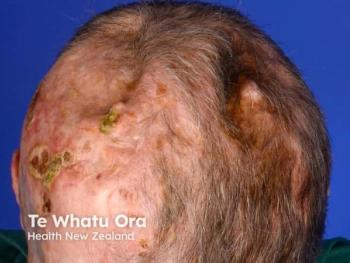
Non-melanoma skin cancers, including basal cell carcinoma, have been reported in subjects treated with ANZUPGO. Periodic skin examinations of the application sites are recommended for all patients, particularly those with risk factors for skin cancer. Advise patients to avoid sunlamps and minimize exposure to sunlight by wearing sun-protective clothing or using broad-spectrum sunscreen.
Immunizations
Prior to ANZUPGO treatment, complete all age-appropriate vaccinations as recommended by current immunization guidelines, including herpes zoster vaccinations. Avoid vaccination with live vaccines immediately prior to, during, and immediately after ANZUPGO treatment.
Potential Risks Related to JAK Inhibition
It is not known whether ANZUPGO may be associated with the observed or potential adverse reactions of JAK inhibition. In a large, randomized, postmarketing safety trial of an oral JAK inhibitor in combination with methotrexate in rheumatoid arthritis (RA), patients 50 years of age and older with at least one cardiovascular risk factor, higher rates of all-cause mortality, including sudden cardiovascular death, major adverse cardiovascular events (MACE), overall thrombosis, deep venous thrombosis (DVT), pulmonary embolism (PE), and malignancies (excluding non-melanoma skin cancer) were observed in patients treated with the JAK inhibitor compared to those treated with TNF blockers. ANZUPGO is not indicated for use in RA.
Treatment with oral and topical JAK inhibitors has been associated with increases in lipid parameters, including total cholesterol, low-density lipoprotein (LDL) cholesterol, and triglycerides.
Adverse Reactions
Adverse reactions reported in ≤1% of subjects were application site pain, paresthesia, pruritus, erythema, and bacterial skin infections, including finger cellulitis, paronychia, other skin infections, leukopenia, and neutropenia.
Lactation
To minimize potential infant exposure, advise breastfeeding women to avoid direct contact with the nipple and surrounding area immediately after applying ANZUPGO to the hands and/or wrists.
Brief Summary of the Prescribing Information as of July 2025
1 INDICATIONS AND USAGE
ANZUPGO is indicated for the topical treatment of moderate to severe chronic hand eczema (CHE) in adults who have had an inadequate response to, or for whom topical corticosteroids are not advisable.
Limitations of Use
Use of ANZUPGO in combination with other JAK inhibitors or potent immunosuppressants is not recommended.
4 CONTRAINDICATIONS
None
5 WARNINGS AND PRECAUTIONS
5.1 Serious Infections
ANZUPGO may increase the risk of infections. Eczema herpeticum was observed in a subject treated with ANZUPGO [see Adverse Reactions (6.1)]. Serious and sometimes fatal infections due to bacterial, mycobacterial, invasive fungal, viral, or other opportunistic pathogens have been reported inpatients receiving oral or topical JAK inhibitors. [see Adverse Reactions (6.1)].
Avoid use of ANZUPGO in patients with an active or serious infection.
Consider the risks and benefits of treatment prior to initiating ANZUPGO in patients:
Closely monitor patients for the development of signs and symptoms of infection during and after treatment with ANZUPGO. A patient who develops a new infection during treatment with ANZUPGO should undergo prompt and complete diagnostic testing; appropriate antimicrobial therapy should be initiated; and the patient should be closely monitored. Interrupt treatment with ANZUPGO if a patient develops a serious infection. Do not resume ANZUPGO until the infection resolves or is adequately treated.
Viral Reactivation
Viral reactivation, including cases of herpes virus reactivation (e.g., herpes zoster), were reported in clinical trials with ANZUPGO. If a patient develops herpes zoster, consider interrupting ANZUPGO treatment until the episode resolves.
The impact of ANZUPGO on chronic viral hepatitis reactivation is unknown. Patients with active hepatitis B or C infection were excluded from clinical trials with ANZUPGO.Consider viral hepatitis screening and monitoring for reactivation in accordance with clinical guidelines before starting therapy and during therapy with ANZUPGO. If signs of reactivation occur, consult a hepatitis specialist. ANZUPGO is not recommended for use in patients with active hepatitis B or hepatitis C.
5.2 Non-melanoma Skin Cancers
Non-melanoma skin cancers including basal cell carcinoma have been reported in subjects treated with ANZUPGO. Periodic skin examinations of the application sites are recommended for all patients, particularly those with risk factors for skin cancer. Advise patients to avoid sunlamps and minimize exposure to sunlight by wearing sun-protective clothing or using broad-spectrum sunscreen.
5.3 Immunizations
Prior to ANZUPGO treatment, complete all age-appropriate vaccinations as recommended by current immunization guidelines, including herpes zoster vaccinations. Avoid vaccination with live vaccines immediately prior to, during, and immediately after ANZUPGO treatment.
5.4 Potential Risks Related to JAK Inhibition
It is not known whether ANZUPGO may be associated with the observed or potential adverse reactions of JAK inhibition.
In a large, randomized, postmarketing safety trial of an oral JAK inhibitor in combination with methotrexate in rheumatoid arthritis (RA), patients 50 years of age and older with at least one cardiovascular risk factor, higher rates of all-cause mortality, including sudden cardiovascular death, major adverse cardiovascular events (MACE), overall thrombosis, deep venous thrombosis (DVT), pulmonary embolism (PE), and malignancies (excluding non-melanoma skin cancer) were observed in patients treated with the JAK inhibitor compared to those treated with TNF blockers. ANZUPGO is not indicated for use in RA.
Treatment with oral and topical JAK inhibitors has been associated with increases in lipid parameters including total cholesterol, low-density lipoprotein (LDL) cholesterol, and triglycerides.
6 ADVERSE REACTIONS
6.1 Clinical Trials Experience
Because clinical trials are conducted under widely varying conditions, adverse reaction rates observed in the clinical trials of a drug cannot be directly compared to rates in the clinical trials of another drug and may not reflect the rates observed in clinical practice.
The safety of ANZUPGO was evaluated in two randomized, double-blind, multicenter, vehicle-controlled clinical trials (TRIAL 1 and TRIAL 2), in which 959 adults with moderate to severe CHE received ANZUPGO or vehicle cream topically twice daily for 16 weeks. A total of 638 subjects were treated with ANZUPGO [see Clinical Studies (14)].
In TRIAL 1 and TRIAL 2, adverse reactions that were reported in ≤ 1% of subjects in the ANZUPGO group were application site pain, paresthesia, pruritus, erythema, and bacterial skin infections including finger cellulitis, paronychia, other skin infections, leukopenia, and neutropenia.
In an open label extension trial (TRIAL 3), 801 subjects were treated for up to an additional 36 weeks after completing TRIAL 1 or TRIAL 2. A total of 198 subjects received continuous treatment with ANZUPGO for 52 weeks. Eczema herpeticum was observed in one subject and herpes zoster was observed in two subjects treated with ANZUPGO.
8 USE IN SPECIFIC POPULATIONS
8.1 Pregnancy
Risk Summary
The available data on the use of topical delgocitinib during pregnancy is insufficient to evaluate for a drug-associated risk of major birth defects, miscarriage, or other adverse maternal or fetal outcomes.
In animal reproduction studies, oral administration of delgocitinib to pregnant rats and rabbits during the period of organogenesis did not result in adverse developmental effects at doses 120 or 193 times, respectively, the maximum recommended human dose (MRHD) based on AUC comparison (see Data).
The background risk of major birth defects and miscarriage for the indicated population is unknown. All pregnancies have a background risk of birth defects, loss, and other adverse outcomes. In the U.S. general population, the estimated background risk of major birth defects and miscarriage in clinically recognized pregnancies is 2%-4% and 15%-20%, respectively.
Data
Animal Data
In embryofetal development studies, delgocitinib was administered orally to pregnant rats or rabbits during the period of organogenesis at doses of 3, 10 and 30 mg/kg/day in rats, and 1, 3 and 10 mg/kg/day in rabbits, respectively.
In rats, no significant maternal toxicity was noted at doses up to 30 mg/kg/day (1446 times the MRHD based on AUC comparison). Decreases in fetal weight and skeletal variations were observed at doses ≥10 mg/kg/day (512 times the MRHD based on AUC comparison). An increase in post-implantation loss was observed at 30 mg/kg/day (1446 times theMRHD based on AUC comparison). No embryofetal toxicity was noted at 3 mg/kg/day (120 times the MRHD based on AUC comparison).
In rabbits, no significant maternal toxicity was noted at doses up to 10 mg/kg/day (992 times the MRHD based on AUC comparison). An increase in post-implantation loss, reduced number of live fetuses, and decrease in fetal weights were observed at 10 mg/kg/day (992 times the MRHD based on AUC comparison).No embryofetal toxicity was noted at 3 mg/kg/day (193 times the MRHD based on AUC comparison).
In a pre- and post-natal development study in pregnant rats, delgocitinib was orally administered at doses of 3, 10 and 30 mg/kg/day from gestation day 7 to lactation day 20. No significant maternal toxicity was noted at 30 mg/kg/day (1555 times the MRHD based on AUC comparison). Extended gestation period, a decrease in the birth index, and an increase in the number of dead newborns were observed at 30 mg/kg/day (1555 times the MRHD based on AUC comparison). Decreased fetal viability and reduced pup weights were noted during the early postnatal period at 30 mg/kg/day (1555 times the MRHD based on AUC comparison). No developmental toxicity was noted at 10 mg/kg/day (378 times the MRHD based on AUC comparison).
8.2 Lactation
Risk Summary
There are no data on the presence of delgocitinib in human milk, the effects on the breastfed infant, or the effects on milk production. After oral administration, delgocitinib was present in the milk of lactating rats. When a drug is present in animal milk, it is likely that the drug will be present in human milk. The developmental and health benefits of breastfeeding should be considered along with the mother’s clinical need for ANZUPGO and any potential adverse effects on the breastfed infant from ANZUPGO or from the underlying maternal condition.
Clinical Considerations
To minimize potential infant exposure, advise breastfeeding women to avoid direct contact with the nipple and surrounding area immediately after applying ANZUPGO to the hands and/or wrists.
8.4 Pediatric Use
The safety and efficacy of ANZUPGO have not been established in pediatric patients.
8.5 Geriatric Use
Of the 691 subjects exposed to ANZUPGO in clinical trials, 59 subjects (8.5%)were 65 years of age and older and 10 subjects (1.4%) were 75 years of age and older. No overall differences in safety or effectiveness were observed between subjects 65 years of age and older and younger adult subjects
17 PATIENT COUNSELING INFORMATION
Inform patients that ANZUPGO may lower the ability of their immune system to fight infections and to contact their healthcare provider immediately if they develop any signs or symptoms of infection [see Warnings and Precautions (5.1)].
Non-melanoma Skin Cancers
Inform patients that ANZUPGO may increase the risk of developing non-melanoma skin cancers. Inform patients that periodic skin examinations should be performed while using ANZUPGO. Instruct patients to inform their healthcare provider if they have ever had any type of cancer. Advise patients to avoid sunlamps and minimize exposure to sunlight by wearing sun-protective clothing or using broad-spectrum sunscreen [see Warnings and Precautions (5.2)].
Immunizations
Advise patients treated with ANZUPGO to avoid use of live vaccines immediately prior to, during, and immediately after treatment [see Warnings and Precautions (5.3)].
Lactation
Advise breastfeeding women to avoid direct contact with the nipple and surrounding area immediately after applying ANZUPGO to the hands and/or wrists to minimize infant exposure [seeUse in Specific Populations (8.2)].
Please see
To learn more about ANZUPGO visit anzupgohcp.com.
References:
MAT-85485 September 2025