


MediWound’s new burn care therapy alleviates risks associated with surgical debridement.
MediWound’s new burn care therapy alleviates risks associated with surgical debridement.
ICYMI, this week we had stories about product recalls, FDA warning letters, pediatric atopic dermatitis, acne treatment, and more.

VYNE Therapeutics Inc. announced the results of study VY2021-01.

Amazon, Ariella Naturals, and Justified Laboratories received warning letters from the FDA.

Edgewell Personal Care Company issued a voluntary national recall of 3 collections of Banana Boat Hair & Scalp Sunscreen due to the presence of benzene.

White House ramps up efforts to fight outbreak.
ICYMI, this week we had stories about FDA approvals, biologics vs biosimilars, CTCL treatment, atopic dermatitis in patients with skin of color, and more.

Click to see a preview of what to expect this week.
ICYMI, this week we had stories about legal issues in practices, sustainable skin care, acne scar treatments, monkeypox, and more.

A healthy 14-year old boy was evaluated for an intensely pruritic shin rash that developed 2 weeks prior and had been treated with oral antibiotics for 10 days.

What we know about monkeypox in pregnancy, including treatment recommendations, vaccination, and postpartum care.

The decision comes following reports of 16,000 cases across 75 countries and territories around the world.
ICYMI, this week we had stories about skin cancer, FDA approvals, vitiligo, consumer trends, and more.

Click to see a preview of what to expect this week.
ICYMI, this week we had stories about atopic dermatitis, acne, psoriasis, consumer trends, and more.

Investigators suggest parents and clinicians should be mindful of children with suspected ACD with a history of exposure to jewelry, clothing, and belts with cobalt.

The groundbreaking approval of sirolimus topical gel brings relief to patients with facial angiofibroma related to tuberous sclerosis complex with the first FDA-approved topical treatment.

The increases had no impact on the efficacy of the drug and were rarely associated with symptoms or sequelae.
ICYMI, this week we had stories about the Society for Pediatric Dermatology 2022 Meeting, FDA updates, mental health, and more.

Verrica is complying with the FDA through 3 Complete Response Letters to achieve the first FDA-approved treatment of molluscum contagiosum.
This week's edition of the Mainstream Patient features stories about abortions, spray sunscreen, tinted moisturizers, and more.
ICYMI, this week we had stories about pediatric atopic dermatitis, managing complex diseases, Medicare, and more.
This week's edition of the Mainstream Patients features stories about FDA's latest approval, abortion, and more.

Click to see a preview of what to expect this week.
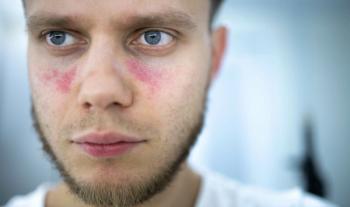
In this video interview, Jean Bolognia, MD, discusses her recent presentation at the 2022 Society of Dermatology Physician Assistants Annual Summer Meeting regarding how to identify the various cutaneous manifestations of lupus.

The Society for Dermatology Physician Assistants (SDPA) begins its summer dermatology conference today, which will continue until Sunday, June 19, 2022, in Austin, Texas. Follow along for coverage.
This week's edition of the Mainstream Patients features stories about skin care for trans women, Aztec clay for the skin, and more.
ICYMI, this week we had stories from the 2022 Fall Clinical Dermatology Conference for PAs & NPs, FDA's approval of dupilumab, and more.

Click here to answer this week's poll.
ICYMI, this week we had stories from the trending skin care from May, FDA's newest pipeline move, and more.