


The recent formulation of benzoyl peroxide in a microencapsulated form improves tolerability while reducing lesions in individuals with rosacea.
The recent formulation of benzoyl peroxide in a microencapsulated form improves tolerability while reducing lesions in individuals with rosacea.

Click here to answer this week's poll.

Safety data is promising, but clinicians are encouraged to utilize proper skin cooling mechanisms.
Boehringer Ingelheim’s Cyltezo is the first and only FDA-approved interchangeable biosimilar to adalimumab.

ICYMI, this week we had stories about ritlecitinib approved for adolescents with severe alopecia areata, harmful social media skin care trends, artificial intelligence in dermatology, and more.
Each month, Dermatology Times® features a roundup of products trending in skin care. Find out what products are popular for the month of June.

Learn more about the in-depth topics covered in the June 2023 Frontline Forum acne supplement of Dermatology Times®.

Any analysis of physician negligence must first begin with a legal description of the elements of negligence.

In the final part of this Frontline Forum series, Neal Bhatia, MD; Dawn Eichenfield, MD, PhD; Lawrence Eichenfield, MD; Linda F. Stein Gold, MD; and Guy Webster, MD, PhD, discuss the practical and clinical considerations in the management of acne vulgaris, reviewing available treatment options and how to treat acne scars.

The ongoing Canadian wildfires are causing poor air quality in the US, which will likely result in more patients seeking help for skin conditions.
Learn more about the in-depth topics covered in the June 2023 issue of Dermatology Times®.
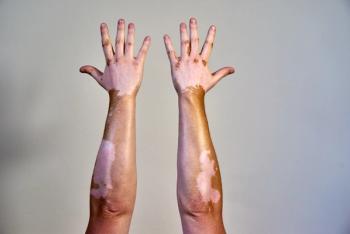
The combination of therapies achieved significant efficacy, with researchers noting a higher cure rate than is evident in other therapies for the condition.

Sanofi’s investigational anti-OX40-ligand monoclonal antibody showed statistically significant improvement in signs and symptoms of AD in adults.

The National Rosacea Society has launched a program to identify skin care and cosmetic products that will not irritate sensitive skin.

Findings from several large studies quantify the value that professional advisers bring to dermatology practices. Learn when to hone in on their expertise and when to take matters into your own hands.

The OSIRIS open-label study resulted in a reduction of pain and improvement in quality of life for participants.

Renata Block, PA-C; Raj Chovatiya, MD, PhD; and Zoe Diana Draelos, MD, discuss their optimism and concerns surrounding the increased use of artificial intelligence in dermatology.

The device is now the first of its kind to become available to pediatric patients.

The American Academy of Dermatology’s new project uses AI to take treatment for individuals with generalized pustular psoriasis to the next level.

Click here to answer this week's poll.

Five expert dermatology clinicians discuss the changing landscape of plaque psoriasis treatments and research for adult patients.
The Act4Biosimilars Action Plan aims to highlight key challenges preventing patient access to biosimilars and outline steps to help overcome them.
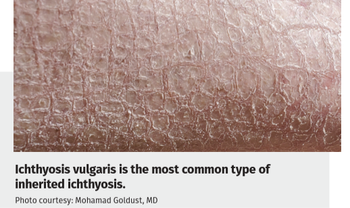
Research and ongoing clinical trials are giving some hope to those with ichthyosis but for now most people manage their disease symptomatically.
In this week’s Pointers With Portela, the 208SkinDoc reviews questions from social media about micro-needling, retinol, and sunscreen use.

In rare cases, chromhidrosis may be associated with underlying medical conditions, such as hyperthyroidism, dermatitis herpetiformis, and multiple myeloma.

The 3-year project aims to set national standards for using new levels of computer learning in health care.
This week's edition of the Mainstream Patient features stories about barrier repair products for dry skin, face mapping for acne, how to reapply sunscreen over makeup, and more.

With the social media boom, skin care advice is readily available. Unfortunately, some of the information on TikTok is harmful.
In part 3 of this Frontline Forum series, Neal Bhatia, MD; Dawn Eichenfield, MD, PhD; Lawrence Eichenfield, MD; Linda F. Stein Gold, MD; and Guy Webster, MD, PhD, discuss the practical and clinical considerations in the management of acne vulgaris, reviewing available treatment options and how to treat acne scars.

Ritlecitinib is the first and only treatment cleared for adolescents with severe alopecia areata.