


Data on the phase 1 trial of the small molecule agent for treatment of androgenetic alopecia and other forms of hair loss will be presented at the AAD meeting in March.
Data on the phase 1 trial of the small molecule agent for treatment of androgenetic alopecia and other forms of hair loss will be presented at the AAD meeting in March.

A recent study identified an association between psoriasis severity and IBD, Crohn disease, and ulcerative colitis.

Findings regarding an association between HS severity and dietary elements such as vitamin D, B12 supplementation, and more, are inconclusive.

Long-term treatment showed increased efficacy in patients who responded partially in week 52, indicating the importance of extended therapy for maximizing benefits in certain individuals.

Resistance training rejuvenates aging skin differently than aerobics training, according to a new study.

Researchers from the University of Michigan and Almirall found that the profibrotic fibroblast response in HS can be modulated through inhibition of the Hippo pathway.

Researchers involved in the review said this increase may help lead to more patient education and more tailored products for patients from this region.

Late-breaking phase 2 data was presented at the 2024 American Academy of Allergy, Asthma and Immunology Annual Meeting.

Platelet-rich plasma (PRP) holds great promise for regenerative hair and skin applications, but trials, standards, and protocols are needed, one review has found.

Biologics to treat psoriasis can cost between $1664 and $79,277 a year in the United States, one study found, and these prices are not commensurate with clinical benefits.

Simlandi (adalimumab-ryvk) joins Pfizer’s Abrilada (adalimumab-afzb) and Boehringer Ingelheim’s Cyltezo (adalimumab-adbm) as an interchangeable Humira biosimilar.
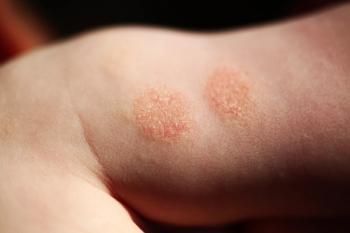
Maternal mental health conditions are associated with the majority of atopic diseases, according to a study.

Keep up with the latest headlines in dermatology from the past week, including the rise of dermatologists offering skin health services for people of color, isotretinoin and its ocular impact, and more.

ICYMI, this week we had news about Masterclasses in Dermatology insights, Alaskapox and skin lesions, improving skin of color representation in dermatology, and more.
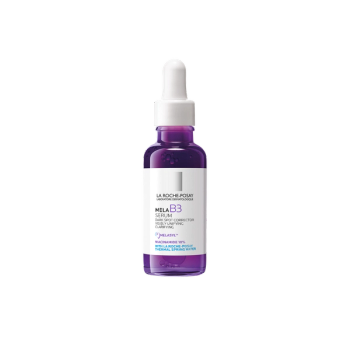
Data on pigmentary disorders worldwide and clinical study results were presented at the IMCAS World Congress 2024 meeting.

Miranda Uzoma Ewelukwa, MD, FAAD, reviews how skin of color representation has evolved in dermatology, however, more advocacy is still needed.

Researchers have found Staphylococcus aureus may trigger itchiness in atopic dermatitis, opening the door to new treatment approaches in the future.

Researchers compared the potent depigmenting agent with modified Kligman's formula, considered the gold standard therapy for melasma.

This month's Legal Eagle column highlights the tension between cost control measures and concerns about patient care in the context of health care spending and the increasing prevalence of actinic keratoses
Learn more about dupilumab-induced conjunctivitis rates and misconceptions, the thriving long-term efficacy of dupilumab over 3 years, and unraveling the itch-flare dynamic in abrocitinib treatment.

In a recent study, topical ruxolitinib improved clinical outcomes, itch, and patient quality of life.

Medical therapy should be paired with behavioral therapy to best treat this distressing hair-pulling disorder, researchers claim.

Get a sneak peek ahead of AAD about the LITE study’s patient-centered design, routine care integration, and diverse participant inclusion, offering a cost-effective option in psoriasis treatment.

Findings reveal an increased risk of psoriatic arthritis among female patients with severe skin psoriasis who have nail involvement and require oral systemic therapy for their condition.

The initiative brings awareness and action for people of color to the forefront of the conversation.

Shawn Kwatra, MD, shares insights into neuropathic pruritus’ debilitating effects on patients and how clinicians can use unified nomenclature.

In this week’s Pointers With Portela, the 208SkinDoc reviews a potentially misleading acne vitamin from Clearstem Skincare.

The study found disagreement in perceptions of treatment options and overall disease severity among providers and patients.
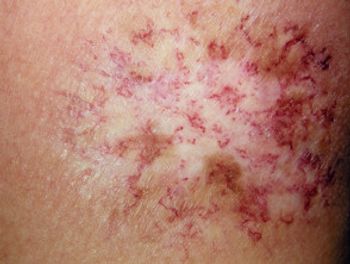
The data was recently published in the Journal of the American Academy of Dermatology International.

Researchers utilized studies and papers from the review to define and understand best practices and methods for improving adherence.