| Articles | September 15, 2002
Skin substitutes valuable for hard-to-heal wounds Paris - Bioengineered skin substitutes can facilitate healing of difficult wounds and even achieve closure of some long-standing chronic wounds refractory to other measures, but the success of these modalities depends on proper wound bed preparation and even then, they may not be the answer for all patients, Vincent Falanga, M.D., said at the World Congress of Dermatology.
Newsletter Like what you’re reading? Subscribe to Dermatology Times for weekly updates on therapies, innovations, and real-world practice tips.
Subscribe
November 17th, 2026 Bioelements and Celluma partnered to educate estheticians on integrating LED light therapy into customized facial treatments for acne and aging skin.
November 14th, 2026 Hypochlorous acid sprays are trending as a post-gym skin care essential, but can they actually prevent sweat-related breakouts?
November 12th, 2026 Phase 3 OptIMMize-1 findings show sustained skin clearance, itch reduction, and quality-of-life improvements with risankizumab through 52 weeks.
October 31st, 2026 From “Botox in a bottle” to castor oil and face taping, Dermatology Times reviews the evidence behind 3 viral dermatology trends from October.
October 30th, 2026 Find out what skin care products and aesthetic innovations clinicians are recommending to patients for the month of October.
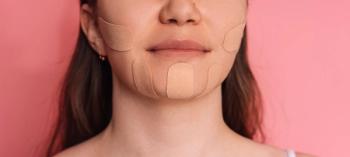
October 24th, 2026 Face taping promises smoother skin and fewer wrinkles without injectables, but evidence suggests any visible benefits are largely temporary.