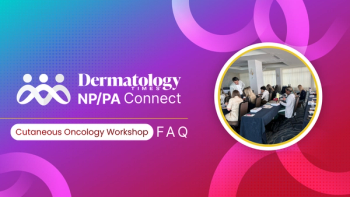
Faculty from the Cutaneous Oncology Workshop answer practical questions spanning skin cancer prevention, diagnosis, treatment, and follow-up.
Results of a new study suggest that a drug commonly prescribed to patients with cancer - including advanced melanoma - can halt the progress of the disease for up to two years.
Results of a new study suggest that a drug commonly prescribed to patients with cancer - including advanced melanoma - can halt the progress of the disease for up to two years.
According to the study, nivolumab (Bristol-Myers Squibb) allows the patient’s immune system T cells to attack cancer. The study examined the results of long-term use of the drug in a phase 1 clinical trial. Not only do the results show a fast onset of benefits, but also that the benefits can persist, in some cases even after patients stop taking nivolumab.
Researchers from the Dana-Farber Cancer Institute, Johns Hopkins University, Yale University and other institutions followed 107 patients from 2008 to 2012. The patients had advanced
Results of the study show that in some cases tumors remained the same size or shrank after treatment had stopped. Side effects were minor and similar to those seen in prior tests, the most common being fatigue, rash and diarrhea. These were most common in the first six months of treatment, and there were no observed cumulative adverse effects.
“These are striking results for patients with
New clinical trials using nivolumab in combination with other immune system drugs to combat melanoma and other cancers are under way.
The study was published online March 3 in the