As editor-in-chief of Dermatology Times and its sister publication, Cosmetic Surgery Times, I have had the opportunity to watch myriad types of surgeons perform dermatologic surgery and cosmetic-surgery settings. Idon't need to tell you about the turf battles -- who should perform what types of surgeries and in what settings. It's the stuff of not only competition, but of intense study and eventual government regulation. What I would like to comment on, from what may perceived as a humble viewpoint, is the American Academy of Dermatology's recent study calling for mandatory reporting of all adverse events happening in in-office settings.
The FDA approved therapies for melanoma, dermatomyositis, superficial basal cell carcinoma, and adolescent alopecia areata, while TYK2 inhibitors and rare disease filings advanced toward 2027 decisions.
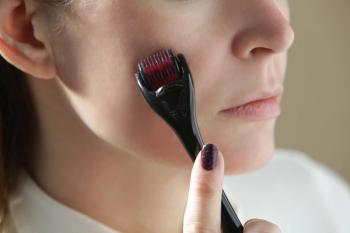
Can at-home dermarollers give the same results as in-office microneedling or is that just a myth? Read more about the latest social media trend and learn how to counsel your patients in the clinic.
The FDA approval, based on 36-week data from the phase 3 BRAVE-AA-PEDS trial, extends baricitinib access to patients as young as 12 years old with severe alopecia areata.