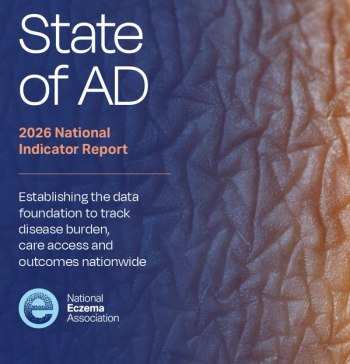
A new report from the National Eczema Association (NEA) found systemic corticosteroids were filled more often than dupilumab, and 13% of Americans live in counties without a dermatology or allergy/immunology practitioner.
This week’s collection of the latest dermatologic studies covers skin cancer risk associated with phototherapy excluding psoralens, the role of the mycobiome in the development of atopic diseases, underrecognized pediatric vulvar diseases, and sunscreen deserts in Northeast, Ohio.
Wand et al’s retrospective cohort study evaluated skin cancer risk associated with phototherapy excluding psoralens with data from 1977 to 2018. Analyzing 3506 patients undergoing broadband-ultraviolet-B, narrowband-UVB, and/or combined UVAB treatments, with a median follow-up of 7.3 years, the study found no significant increase in melanoma, squamous cell carcinoma, or basal cell carcinoma incidence compared to the general population. Skin cancer rates remained consistent across various parameters, including diagnosis (psoriasis or eczema) and immunosuppressant use. The absence of a cumulative dose-response correlation between UVB and skin cancer suggests that phototherapy without psoralens does not elevate skin cancer risk.
Glatthardt et al’s study explored the pivotal role of the mycobiome in the development of atopic diseases, with a focus on asthma. Atopic conditions, characterized by type 2 immune responses and an increased prevalence in recent decades, involve a complex interplay of genetic and environmental factors. The mycobiome, comprising fungal symbionts, is a critical contributor to atopic diseases, influencing immune responses and allergic manifestations. Early-life mycobiome alterations, specifically dysbiosis, are linked to atopic asthma development. The study stressed the need for additional research to understand the causal role of fungal symbionts in various atopic conditions, including atopic dermatitis and rhinitis.
Menta et al’s retrospective study addressed the insufficiently examined focus of pediatric vulvar disease, particularly in patients with skin of color, within a multidisciplinary pediatric dermatology-gynecology clinic at Children's National. Among 220 patients, lichen sclerosus (LS), inflammatory vulvitis, and vitiligo were prevalent, often posing diagnostic challenges due to overlapping symptoms. LS, with a mean delay in diagnosis of 16.43 months, highlights the urgency of accurate identification for timely intervention. The study emphasized the need for more research to distinguish conditions based on skin tone and stressed the significance of precise diagnoses, particularly for LS, to prevent potential complications in pediatric patients.
Onamusi et al’s study focused on sunscreen use among patients with skin of color and the potential barriers they face, particularly in low-income areas. The study addressed the multifactorial nature of low sunscreen use, attributing it to factors like lack of access and knowledge beyond skin cancer prevention. Dyschromia, commonly diagnosed in patients with skin of color, requires sunscreen as a primary management tool. Examining Cuyahoga County, Ohio, the research identified sunscreen deserts—low-income, low-access areas—using a methodology adapted from food desert definitions. The study found that predominantly Black communities were more likely to be sunscreen deserts, indicating disparities in sunscreen access. The study highlights the need for increased availability in such demographics to manage conditions like hyperpigmentation.
What new studies have you published? Share with us by emailing
over 2 years ago
Discovering Dermatology Times: January 2024over 2 years ago
How to Handle Social Media Retaliationover 2 years ago
New Year Report Card for Dermatologists and Their Practicesover 2 years ago
Tailoring AD Management Advice to Lifestyles and Hobbiesover 2 years ago
Social Media Dermatology Trendsover 2 years ago
Psoriasis Therapies in 2024 and Beyondover 2 years ago
Harnessing the Potential of Placental Allograftsover 2 years ago
Ensure Your Patients Don’t Drop the Ball