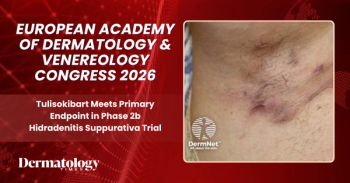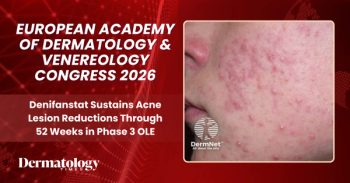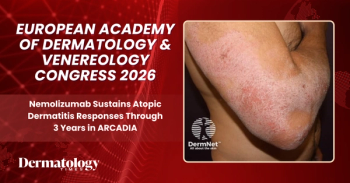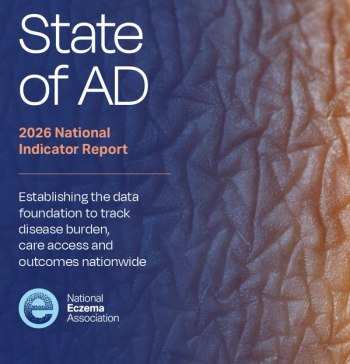
A new report from the National Eczema Association (NEA) found systemic corticosteroids were filled more often than dupilumab, and 13% of Americans live in counties without a dermatology or allergy/immunology practitioner.
New research suggests botulinum toxin type A has anti-depressive qualities along with its well-known cosmetic effects.
New research suggests botulinum toxin type A has anti-depressive qualities along with its well-known cosmetic effects.
Researchers from the University of Texas Southwestern, Austin, found that botulinum treatments injected between the eyebrows had an anti-depressive effect even after the treatment wore off and wrinkles returned. This suggests that the improvement in mood isn’t related solely to the treatments’ cosmetic benefits.
The study was conducted by the husband-wife team of
“The most significant finding in our study is that the anti-depressant effects of the treatment lasted beyond the cosmetic effects,” Dr. Magid tells Dermatology Times. “In other words, even when patients’ frown lines went back to baseline, their depression symptoms continued to get better.”
Dr. Magid presented the findings at the recent American Academy of Dermatology 72nd Annual Meeting held in Denver.
Thirty participants with symptoms of
“There are two theories as to why
The second involves biology, he says, explaining that the trigeminal nerve in the face sends sensory information to the amygdale, the area in the brain often associated with heightened fear response, depression and
“Other biologists hypothesize that the effect may be due to relaxed facial muscles cooling the blood flowing to the brain, in a manner similar to relaxation disciplines like yoga and tai chi,” Dr. Reichenberg says.
According to Dr. Magid, three small, double-blinded, placebo-controlled trials have examined the treatment of depression using botulinum toxin type A.
“We are not advocating that this intervention is ready for prime time yet,” she says. “However, there is enough positive pilot data to suggest that a larger trial is warranted. And if larger trials can replicate the findings of the three smaller trials, botulinum toxin may become another tool in the toolbox when treating depression.”
Dr. Magid says the study will be published in an upcoming issue of the