Miami, Fla. - Dermatologists face extraordinary difficulties in their efforts to heal the wounds of epidermolysis bullosa (EB) patients because of the genetic absence of anchoring structures, such as anchoring fibrils and hemidesmosomes. While there has been significant progress in the science of identifying the structural defects and genetic sites of damage that lead to this disease, wound healing remains a great challenge, according to Lawrence Schachner, M.D., professor of dermatology, professor of pediatrics and interim chair at the University of Miami School of Medicine, Miami, Fla.
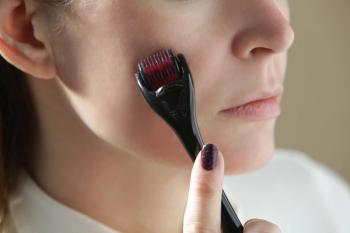
Can at-home dermarollers give the same results as in-office microneedling or is that just a myth? Read more about the latest social media trend and learn how to counsel your patients in the clinic.
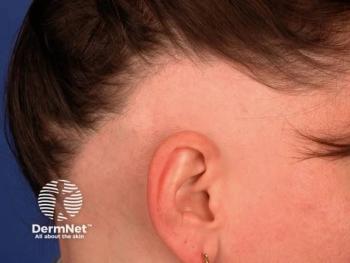
The FDA approval, based on 36-week data from the phase 3 BRAVE-AA-PEDS trial, extends baricitinib access to patients as young as 12 years old with severe alopecia areata.