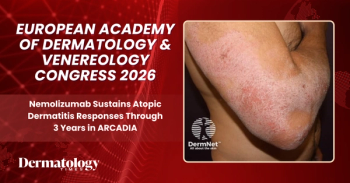
Up to 91% of patients reached EASI-75 and up to 67% reached IGA 0/1 at week 152, with no new safety signals, according to Galderma's EADV 2026 data.
A new study presented at this year’s American College of Allergy, Asthma and Immunology Annual Scientific Meeting highlights the need for mental health support in patients with atopic dermatitis.
Almost three-quarters of patients with
Allison Loiselle, PhD, Senior Manager of Data Science & Research at the
According to the study results, mental health concerns are prevalent for patients with AD yet they may not be communicating such with clinicians. Specifically, 72.6% of patients experienced poor mental health symptoms for 1-10 days within the preceding month. About one-fifth of participants (17.7%) indicated a more chronic nature of their mental health symptoms, with symptoms lasting more than 11 days. Less than one-half of patients (42.5%) had been asked about their mental health by their clinician, and about one-third of the respondents noted they did not disclose their symptoms with their clinicians. Not surprisingly, then less than half of the patients (45.1%) received referrals for mental health care services or other supports.
This study supports
Fortunately, behavioral interventions can also improve both the itch-scratch cycle as well as the psychological sequelae associated with AD. There is evidence that hypnotherapy, biofeedback, and mindfulness therapy can support patients and result in improvements.2
“People who don’t suffer with AD don’t understand how debilitating it can be,” Loiselle said in a press statement.3 “In addition to the terrible itching and dry, cracked skin, there are often sleep disruptions, and broader impacts on quality of life and overall well-being. Depression and anxiety are among the symptoms of those who deal with AD, and the chronic, unpredictable nature of this condition.”
“AD-related quality of life impacts can include social impairment, emotional and behavioral problems, and significant psychological problems, including depression, anxiety, and suicidal ideation,” Tamara Hubbard, MA, LCPC, a member of the ACAAI Public Relations Committee, commented in a press statement.3
Hubbard works with parents of children with allergies; she added that the “relentless itching” and AD’s negative effects on appearance can play a toll. “It’s important for patients and healthcare providers to discuss mental health concerns, and to be aware of resources and trained mental health professionals who can help.” She emphasized the importance of finding effective treatments and working with mental health care professionals to help address the emotional and psychological toll of AD.
How do you support your patients with atopic dermatitis? Share your experiences with Dermatology Times via DTEditor@mmhgroup.com
References
1. Loiselle A, Johnson J, Begolka WS.
2. Mostafa N, Smith SD.
3. Survey: 72% of Eczema Patients Suffered Poor Mental Health Symptoms for 1-10 Days in Past Month. News release. ACAAI; November 9, 2023.
almost 3 years ago
Discovering Dermatology Times: December 2023almost 3 years ago
Can I Ask About Gun Ownership for My Safety?almost 3 years ago
Aesthetic Procedure Considerations for Skin of Coloralmost 3 years ago
Resiliency: A Fundamental Success Factor in Any Financial Planalmost 3 years ago
Helping Patients Navigate New Environments to Manage Atopic Dermatitisalmost 3 years ago
Immunotherapy in Melanoma: Navigating Special Patient Populationsalmost 3 years ago
Atopic Dermatitis News to Usealmost 3 years ago
Case Study: Vitiligo Onset Following COVID-19 Vaccinationalmost 3 years ago
Check Your List and Consider It Twice: A Recap of 2023 Drug Approvalsalmost 3 years ago
New Treatments Bring Hope for Autoimmune Skin Conditions