



Conference Coverage
about 19 hours ago
Reviewing the Overarching Umbrella of Psoriatic Disease20 days ago
ASDS 2025: Top Treatments and TrendsLatest News




Advertisement
Shorts
0:39
Prior Authorization Denials Lack Transparency
7 days ago
by
John Barbieri, MD, MBA, FAAD

0:44
The Key Difference Between Treating Adult and Pediatric Patients
9 days ago
by
Patrick Burnett, MD, PhD
0:52
Ethical Dilemmas in Dermatology
12 days ago
by
Heather Goff, MD, MPH
0:34
How Dermatologists Should Guide the Future of Artificial Intelligence
14 days ago
by
Joseph Gatti, DMSc, MPAS, MBA, PA-C
0:26
Why Social Media is the New WebMD
16 days ago
by
Shannon Trotter, DO
0:32
Improving Skin of Color Representation in Training Materials
17 days ago
by
Mondana Ghias, MD, FAAD
0:47
The Future of GLP-1 Usage in Dermatology
19 days ago
by
Joely Kaufman, MD
0:37
Why Complacency is Devastating in Dermatology
21 days ago
by
Rosalyn George, MD

1:30
Derm Dispatch: Live at SDPA Fall 2025
a month ago
by
Renata Block, DMSc, MMS, PA-C
0:13
Breast Cancer Care by Dermatologists: A Year-Round Commitment
a month ago
by
Christopher G. Bunick, MD, PhD



Podcasts
Dermatology Times Digital Edition
Discover the latest breakthroughs in atopic dermatitis and psoriasis treatments for 2025, enhancing patient care and individualizing therapy options.
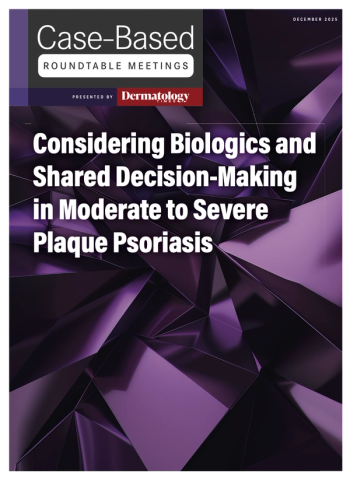
In part 2 of this Case-Based Roundtable supplement, experts discuss therapeutic options for psoriasis when considering involvement of special areas.
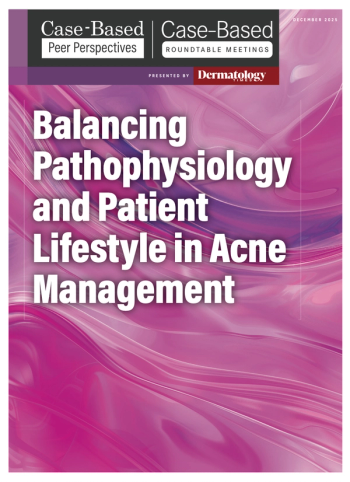
In part 1 of this supplement, experts discuss current and emerging treatments for patients, considering lifestyle choices.
In part 1 of this Case-Based Roundtable supplement, experts discuss biologic treatment options for psoriasis, and balancing efficacy with patient needs.
Experts discuss innovative, steroid-sparing treatments for pediatric atopic dermatitis, emphasizing personalized care and proactive management strategies.
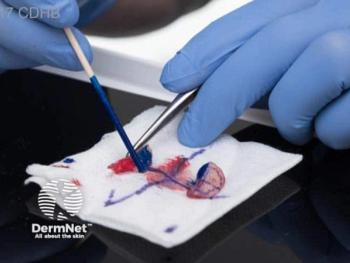
President Biden's Mohs surgery highlights the need for equitable access to this effective skin cancer treatment, emphasizing its benefits and ongoing disparities.

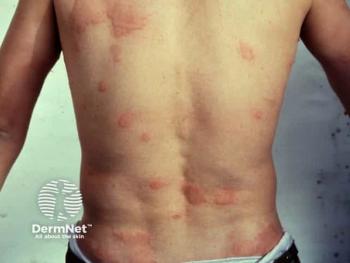
Explore the latest advancements in chronic spontaneous urticaria (CSU) therapies, including innovative treatments and patient-centered management strategies.

Dermatology Times highlights 2025's innovations in dermatology, featuring new therapies, expert insights, and a look ahead to 2026 advancements.
Continuing Medical Education











All News
Advertisement
Advertisement

Wildfire air pollution significantly increases atopic dermatitis and itch-related dermatologic visits, highlighting the urgent need for skin protection during poor air quality.
In part 2 of this Case-Based Roundtable supplement, experts discuss therapeutic options for psoriasis when considering involvement of special areas.

In part 1 of this supplement, experts discuss current and emerging treatments for patients, considering lifestyle choices.

A bentonite and Alcea sulphurea facial mask significantly improved acne severity and patient satisfaction in a recent clinical trial.
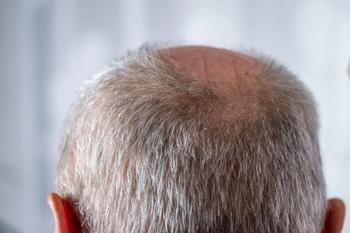
GT20029 shows promising results in treating androgenetic alopecia, enhancing hair density with minimal adverse effects in men after 12 weeks.
Topline results are expected in the first quarter of 2026.
In part 1 of this Case-Based Roundtable supplement, experts discuss biologic treatment options for psoriasis, and balancing efficacy with patient needs.
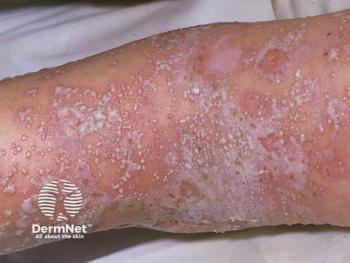
The BLA is supported by phase 3 data demonstrating rapid skin clearance and sustained disease control in patients with GPP.
Experts discuss innovative, steroid-sparing treatments for pediatric atopic dermatitis, emphasizing personalized care and proactive management strategies.
Advertisement

Put your dermatology expertise to the test with Dermatology Times’ interactive quiz series!

Explore the top headlines of the week, including insights on the latest clinical trials, therapeutic updates, and more.
In case you missed it, this week we had news about the first commercial treatment of Zevaskyn for RDEB, the global prevalence of HS, a new STAT6 degrader for AD, and more.

This week, we feature top articles from our sister publications on regulatory updates, clinical trial insights, and more.

John Barbieri, MD, MBA, discusses how deteriorating prior authorization processes are compromising access to essential dermatologic therapies.
Advertisement
Advertisement
Trending on Dermatology Times
1
JAK Inhibitors Show Comparable Safety to TNF Antagonists
2
First-in-Class Topical GT20029 Demonstrates Promising Phase 2 Efficacy and Tolerability for AGA
3
Considering Biologics and Shared Decision-Making in Moderate to Severe Plaque Psoriasis: Part 2
4
Reviewing the Overarching Umbrella of Psoriatic Disease
5
